A commercial lease inspection Alberta landlords and tenants rely on is a dated, independent record of what was visible on the building and site at lease start or end. It supports handoff and negotiation conversations, but the written lease, not the inspection, controls maintenance and repair obligations. This is not legal advice.
If you are taking space, a tenant improvement condition report documents the unit before work starts. On net leases, a triple-net lease assessment looks at the wider property the tenant may be paying to maintain.
Need a Commercial Property Inspection or Property Condition Assessment?
Brookstone Inspection offers Commercial Property Inspection or Property Condition Assessment. Request a Commercial Property Inspection or Property Condition Assessment Quote
Key Takeaways
- A commercial lease inspection records condition at lease commencement and again at surrender (handing the premises back) when the parties need a shared baseline of visible building and site conditions.
- A handover baseline is evidence of observed condition; it does not rewrite who pays for HVAC, roof, or structural work. The lease and applicable law govern; counsel interprets them.
- Scope the engagement for lease handoff: photos, deficiency list, and clear date of fieldwork. Do not assume a purchase-style lender PCA or a full capital plan unless you ask for that in writing.
- Triple-net and other cost-recovery leases often raise the stakes because tenants may carry more operating and repair risk—still confirm duties in the lease text.
- End-of-lease records help separate pre-existing issues from tenant-period damage when both parties can rely on dated documentation.
- Pair a dated condition record with your lawyer’s lease review for the strongest position at handover.
Commercial leases in Alberta often run for years. Roofs age, parking cracks, and mechanical equipment is replaced—or deferred. When a lease starts or ends, landlords and tenants both benefit from a dated, independent record of what the building looked like and what deficiencies were already visible.
That record is sometimes called a baseline condition survey, a lease commencement assessment, a surrender condition review, or—when scoped for triple-net deals—a triple-net lease assessment. The useful product is the same idea: document condition at a handoff, then let the lease and the lawyers speak to responsibility.
Commercial lease inspection Alberta: why a baseline matters at the start
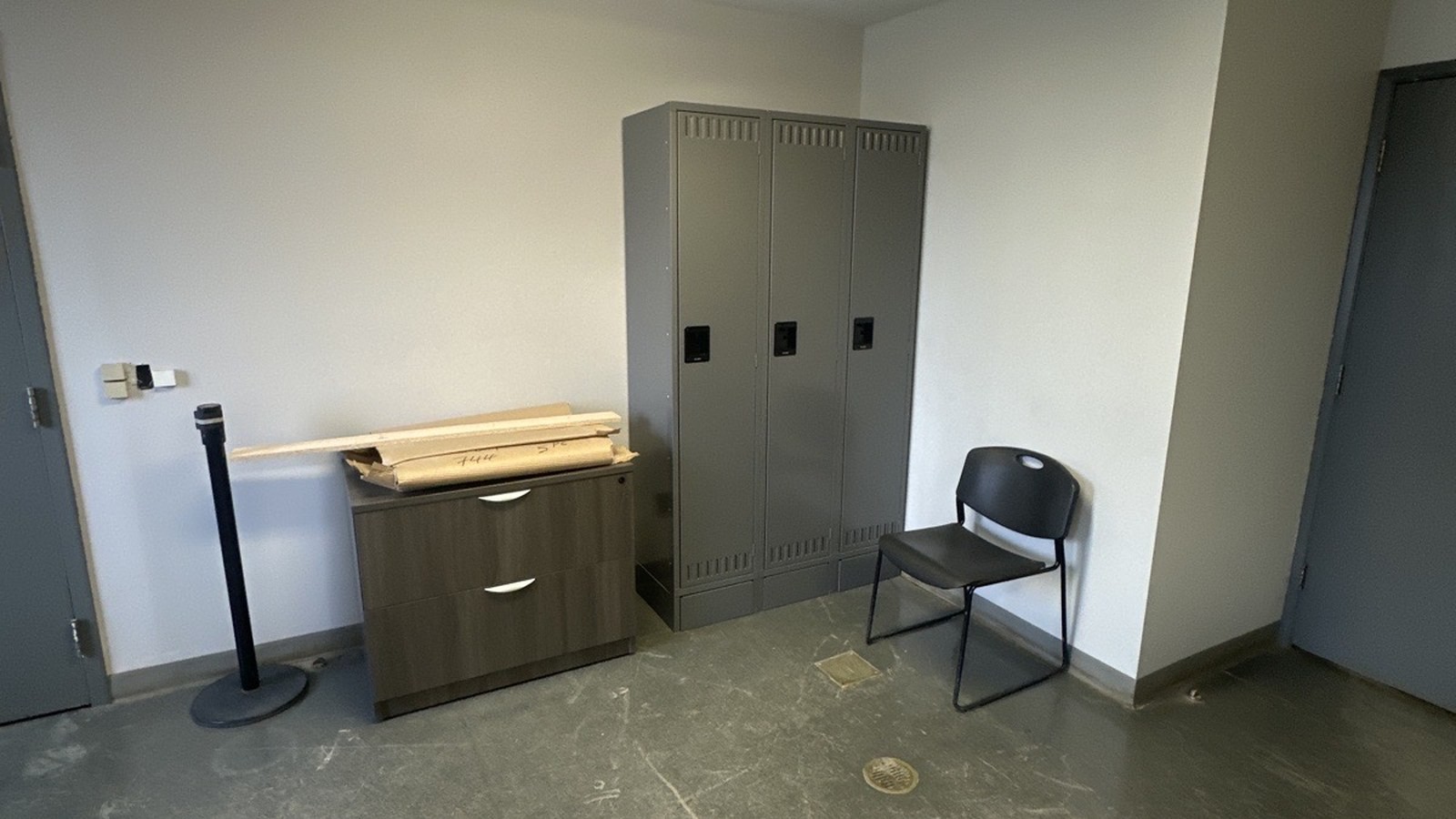
At commencement, a condition record can help the parties:
- Agree what deficiencies already existed before the tenant took possession
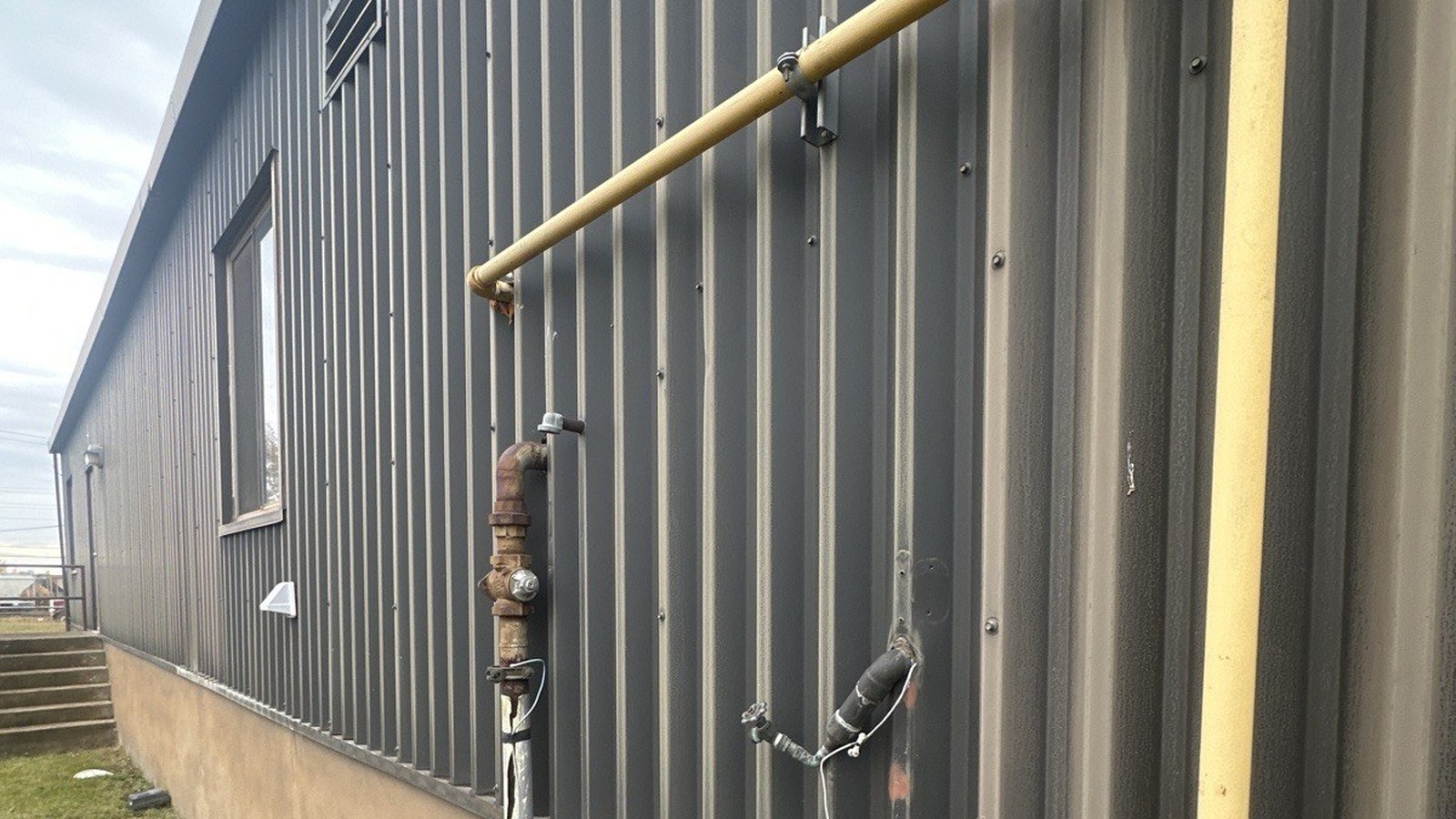
- Photograph finishes, roof areas that were accessible, mechanical rooms, and site features
- Inform negotiations about credits, landlord work, or accepted “as is” items only as the lease allows
- Give future property managers a starting file that is not just a broker’s photo set
End-of-lease inspection: why a record matters at surrender
At surrender (handing the premises back) or lease end, an end of lease inspection (commercial tenants often book one before moving out) can:
- Compare current visible conditions with the commencement baseline when one exists
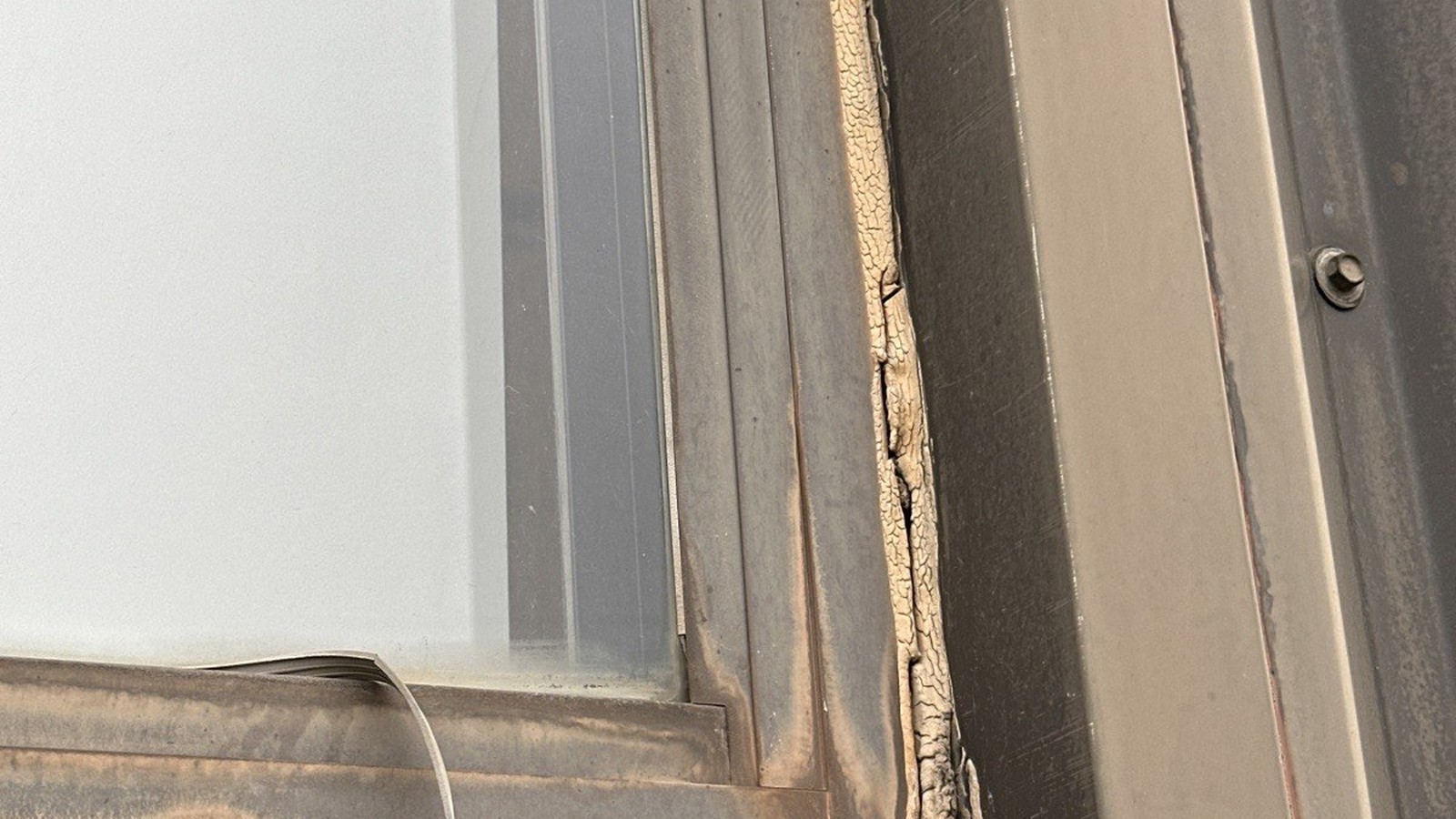
- Document new damage, missing equipment, or incomplete make-good items (lease-required restoration) the parties can see
- Support deposit, make-good, and handback discussions with dated photos and notes
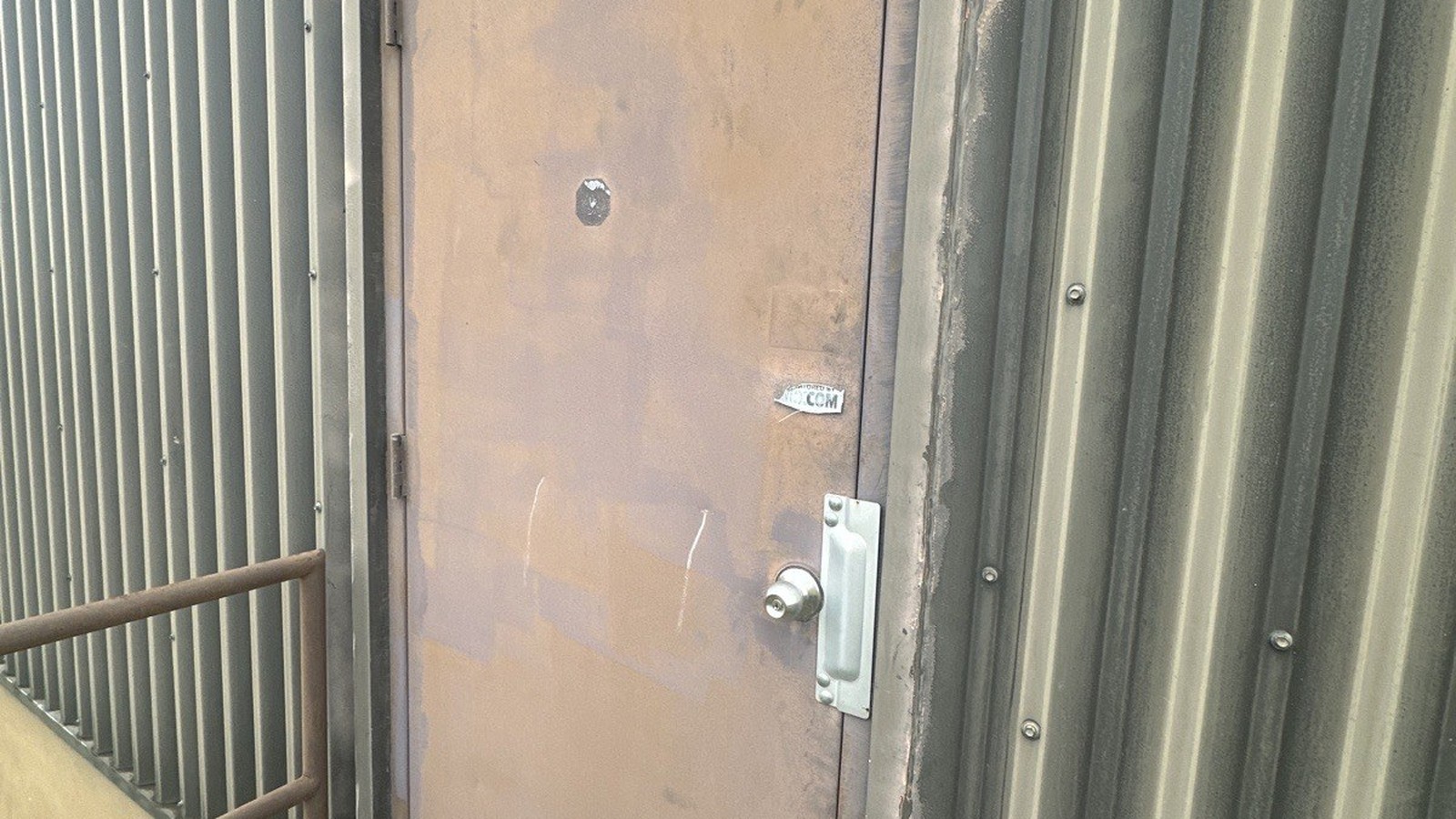
What the written scope should state
Ask for a proposal that states:
- Purpose — lease commencement, lease end/surrender, or mid-term baseline for a lease amendment
- Who may receive the report — landlord, tenant, or both (reliance language matters)
- Areas included — demised premises, common areas, roof, exterior, parking, and mechanical rooms as applicable
- Depth — visual documentation and deficiency list versus opinions of probable cost or remaining useful life
- Exclusions — destructive testing and environmental assessment require separately agreed specialist scope. Brookstone does not provide legal interpretation of lease clauses; obtain that advice from your lawyer.
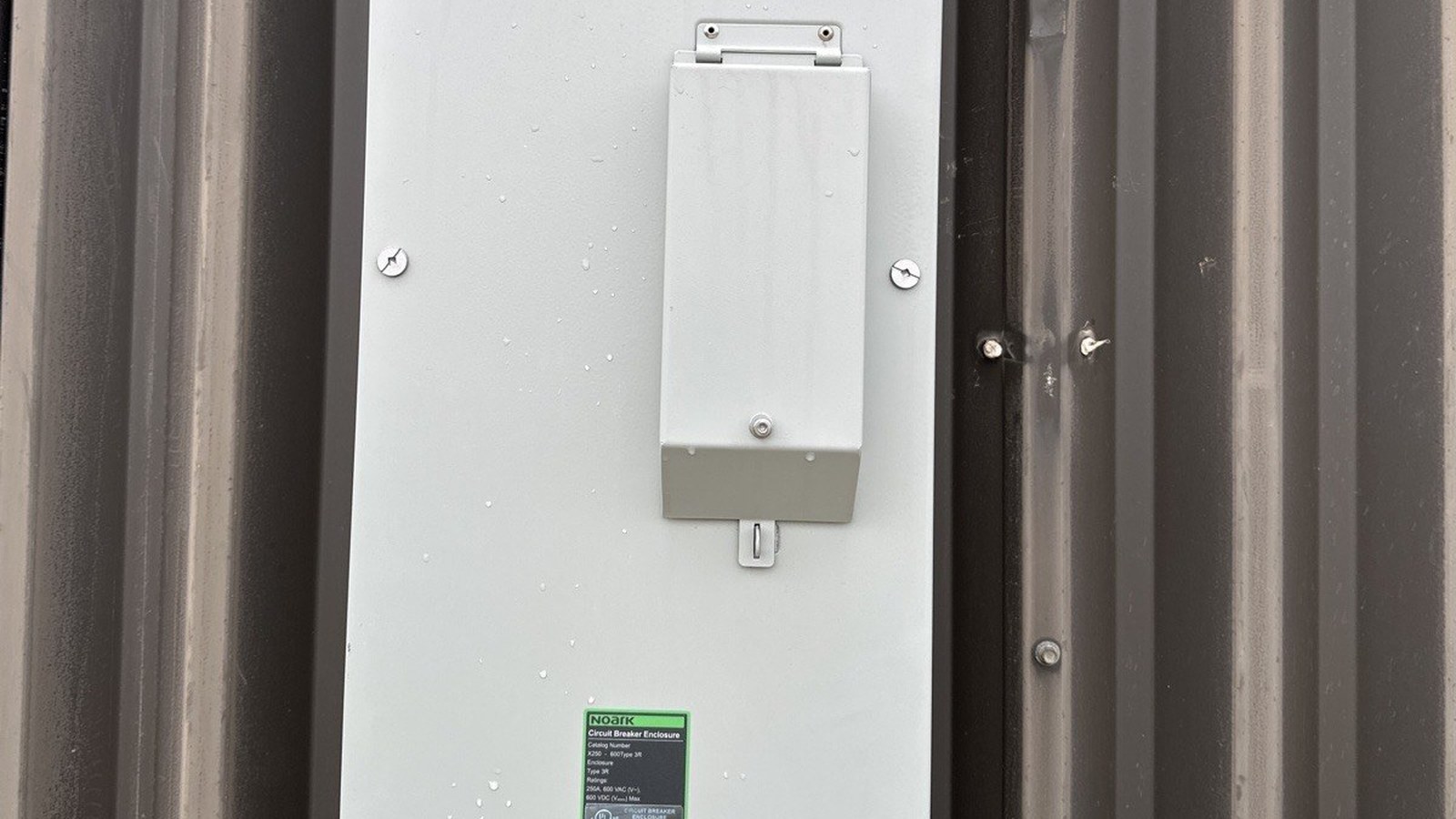
Lease types and stakes (without allocating liability)
Commercial leases are commonly described as gross, net, or triple-net. Those labels are a starting point only. Alberta counsel note that the wording of the lease ultimately determines which expenses are paid by the landlord and which are passed on to the tenant, and that a triple-net lease does not necessarily transfer every ownership obligation (see DBH Law Group on how gross, net and triple-net leases differ).
Suggested clarification for handoff work: the lease wording, subject to applicable law, determines the parties’ obligations; a condition report records observations and does not allocate legal responsibility.
This article intentionally does not advise who is responsible for HVAC repair or replacement. That question belongs to the lease text and legal advice—not to a general blog rule.
Pre-lease inspection or commercial property condition report?
A pre-lease inspection is a visual look at a space before you sign, used to spot visible problems while you can still negotiate. A commercial property condition report goes further: it is a standards-based assessment of the building's systems, often prepared for a purchase or lender (see Property Condition Assessment). For most tenants a focused lease inspection is enough. Reach for the fuller report when the lease is long, the tenant is funding major improvements or the tenant will share the cost of roof and mechanical systems.
Triple net lease inspection
On a net lease the tenant often pays a share of operating costs and sometimes repairs, so a triple net lease inspection is worth scoping carefully. Ask the inspector to document roof areas that can be reached, mechanical rooms, parking and site features, and to list limitations such as snow cover or locked rooms. The result is evidence of condition on the day. Which party pays for any repair still comes from the lease wording, so have your lawyer review those clauses first. Our triple-net lease assessment service covers what that visit includes.
Timing and access
- Schedule commencement fieldwork before or at possession, so the record shows the space as handed over, not months after the tenant has altered the space
- For end-of-term work, book early enough that both parties can review findings before keys are exchanged
- Arrange access to roofs, mechanical rooms, and vacant suites; occupied operations may need after-hours windows
- Winter snow can hide roof and site conditions—document limitations rather than guessing
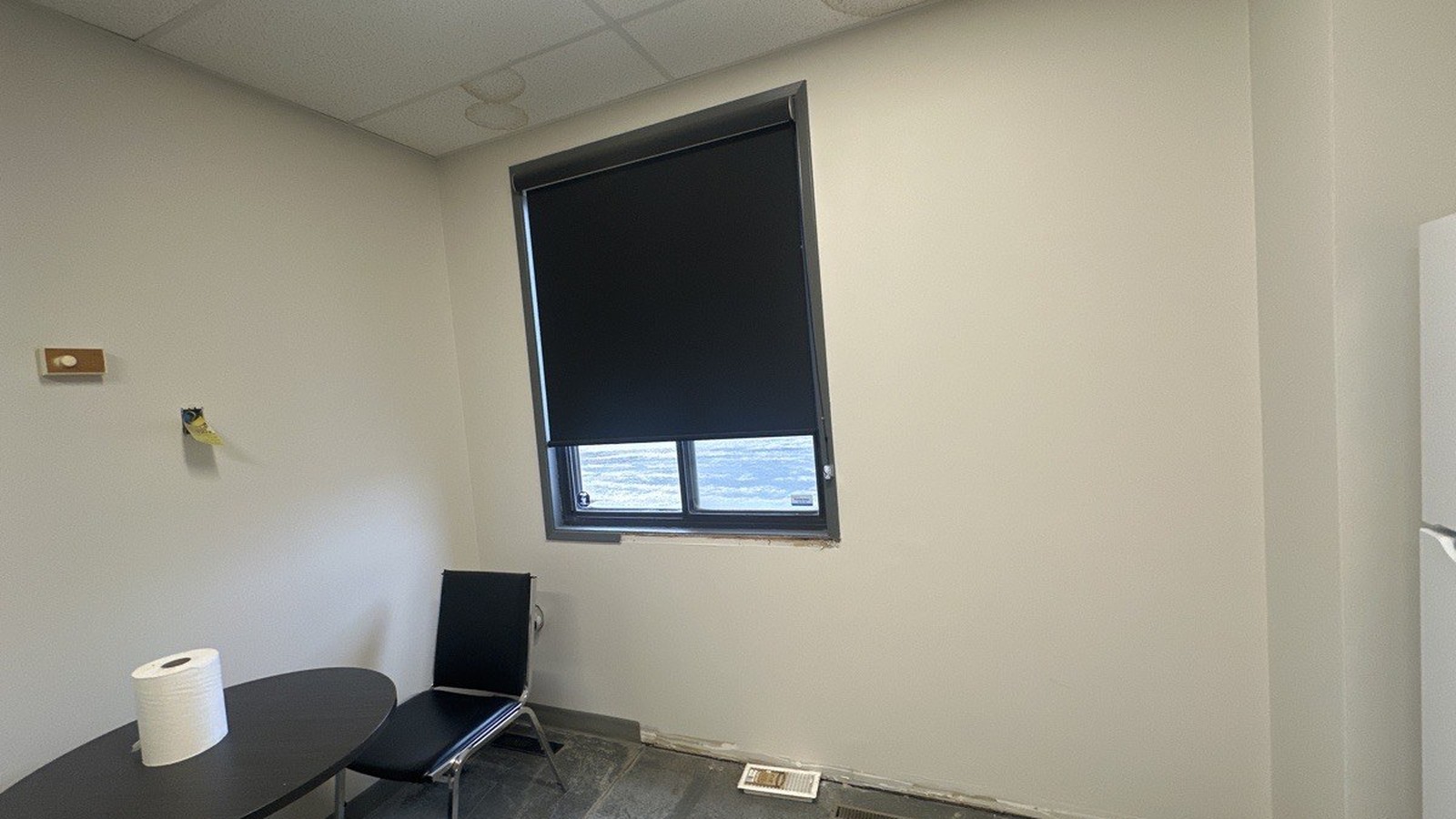
Choosing the product for a lease handoff
If you still need the Alberta naming map for purchase, lender, owner-planning or multi-facility jobs, see BCA vs PCA vs FCA. For PCA versus a Commercial Inspection Report, see PCA vs CIR. For a lease start or end baseline, a scoped lease inspection is the better fit: ask for scoped condition documentation with clear purpose and reliance language rather than assuming a purchase PCA.
Dated evidence checklist
Use a simple table in the file (or ask the proposal to support it):
| Field | Why it matters |
|---|---|
| Location / space ID | Ties the note to the demised area or common area |
| Component ID | Makes later comparison possible |
| Observation | What was visible that day |
| Photo reference | Dated visual support |
| Limitation | Snow, locked room, occupied suite, missing drawing |
| Prior baseline reference | Links to commencement report when one exists |
Practical checklist
Whichever commercial lease inspection Alberta provider you use, run through these steps before possession or surrender.
- Exchange the draft lease (or key maintenance clauses) with counsel before you treat any report as “enough.”
- Decide whether landlord, tenant, or both will commission and rely on the baseline.
- List spaces and systems that must appear in photos and notes.
- Book access and confirm winter or occupancy constraints.
- Keep the commencement report with the lease file for the full term.
- Re-walk at surrender with the same parties’ reliance expectations stated in writing.
FAQs
Do I need a commercial lease inspection Alberta landlords will accept as evidence?
Often yes if you want a shared record. Agree in writing before the visit who may rely on the report, so neither side can later say the evidence was one-sided.
Is a pre-lease inspection the same as a triple net lease inspection?
They overlap, but the scope can differ. A pre-lease inspection looks at the space you are renting. A triple net lease inspection also records roof, mechanical, parking and site items the tenant may help pay to maintain. Confirm which you need in the proposal.
Does a condition report decide who pays for repairs under my lease?
No. The lease and applicable law govern; counsel interprets them. The report records observed condition at a point in time.
Do I need a full ASTM Property Condition Assessment to start a lease?
Not always. Many handoffs need a focused baseline. Long-term or high-stakes NNN deals sometimes warrant deeper PCA-style scope. Confirm in the proposal.
Should landlord and tenant each hire their own inspector?
Sometimes. Shared reliance on one report can work when both parties agree in writing. Conflicts of interest and negotiation posture are issues for counsel.
Can an end-of-lease survey replace a make-good walk with the property manager?
It can support that walk with independent documentation. It does not automatically replace contractual surrender procedures in the lease.
Sources
- DBH Law Group — Gross, Net, and Triple-Net Commercial Leases Explained: https://dbhllp.com/gross-net-and-triple-net-commercial-leases-explained/
- ASTM International — E2018-24 Standard Guide for Property Condition Assessments: https://store.astm.org/e2018-24.html
- Brookstone — BCA vs PCA vs FCA in Alberta: https://commercial.brookstoneinspection.com/resources/bca-vs-pca-vs-fca-alberta-which-assessment-do-you-need
- Brookstone — PCA vs CIR: https://commercial.brookstoneinspection.com/resources/pca-vs-cir-which-report-do-you-need-property-condition-assessment-vs-cir
- Brookstone — Property Condition Assessment Problem Investigation: Scope Limits: https://commercial.brookstoneinspection.com/resources/property-condition-assessment-problem-investigation-scope-limits
- Brookstone — Commercial Lease: Who Pays for HVAC Replacement? (Alberta) (cost-allocation context; lease text controls): https://www.brookstoneinspection.com/post/commercial-lease-who-pays-hvac-replacement-alberta
- Brookstone — Contact (lease-handover enquiry): https://commercial.brookstoneinspection.com/contact