To update a Building Condition Assessment means returning to site to refresh an earlier report’s observed condition, repair priorities and renewal outlook, so the file matches the Alberta building you operate today.
Need a Commercial Property Inspection or Property Condition Assessment?
Brookstone Inspection offers Commercial Property Inspection or Property Condition Assessment. Request a Commercial Property Inspection or Property Condition Assessment Quote
Set the refresh schedule for a general commercial owner-planning Building Condition Assessment around the building’s condition, completed work and next budget decision. Keep separate legal and contractual deadlines on their own calendar: a Building Condition Assessment does not replace a required condominium reserve fund study or Calgary exterior visual assessment.
Key Takeaways
- There is no universal Alberta rule that every commercial owner must refresh a Building Condition Assessment every fixed number of years.
- Treat the last report as a baseline. Update when major systems change, damage or claims occur, use or occupancy changes, management changes, or the capital plan needs current priorities.
- Use a planned, risk-based review cycle and reassess sooner after material changes; an unchanged calendar alone does not prove the last fieldwork is still sufficient.
- Calgary Building Exterior Visual Assessments (BEVA) run on a separate municipal envelope schedule and do not replace a whole-building Building Condition Assessment—or vice versa. Condominium corporations have separate reserve-fund study duties under Alberta guidance.
- Lender “report age” rules for purchase or refinance are a different job from owner refresh planning. Confirm acceptable report age and format directly with the lender; consult counsel on transaction conditions.
- Decide in writing whether you need a full re-assessment, a scoped update after known work, or a targeted investigation of one problem.
Owners ask “how often” because budgets, boards, and maintenance staff need a defensible picture of the building. In Alberta commercial practice, the better question is usually what changed since the last site visit—not which round-number anniversary has arrived.
A Building Condition Assessment is typically an owner- or manager-facing review of visible condition, repair priorities, and renewal outlook for a building you already operate. Labels overlap with Property Condition Assessment and Facility Condition Assessment in Canadian practice; the written scope sets depth, systems, reliance, and planning horizon. For the decision map, see BCA vs PCA vs FCA in Alberta — Which Assessment Do You Need?.
Start from the decision, not the anniversary
Ask what the next report must support:
| Decision you face | Why the last report may be stale |
|---|---|
| Next capital or maintenance budget | Priorities, costs, and remaining useful life may no longer match what is on site |
| Major roof, envelope, or mechanical replacement | The inventory and timing table should reflect completed or planned work |
| Insurance claim, flood, hail, fire, or significant leak | New damage and repairs need current documentation |
| Change of use, major tenant improvement, or vacancy pattern | Access, loading, and system demand may have shifted |
| New property manager, asset manager, or ownership group | Teams need a shared baseline they can act on |
| Sale or refinance later | Transaction parties may want current diligence—often scoped as a PCA with clear reliance language |
If none of those apply and the building has been stable, many owners keep monitoring with maintenance logs and plan a fuller refresh before the next major capital spending cycle. That is an operational judgment, not a statutory interval.
Change triggers that usually justify an update
Building and systems
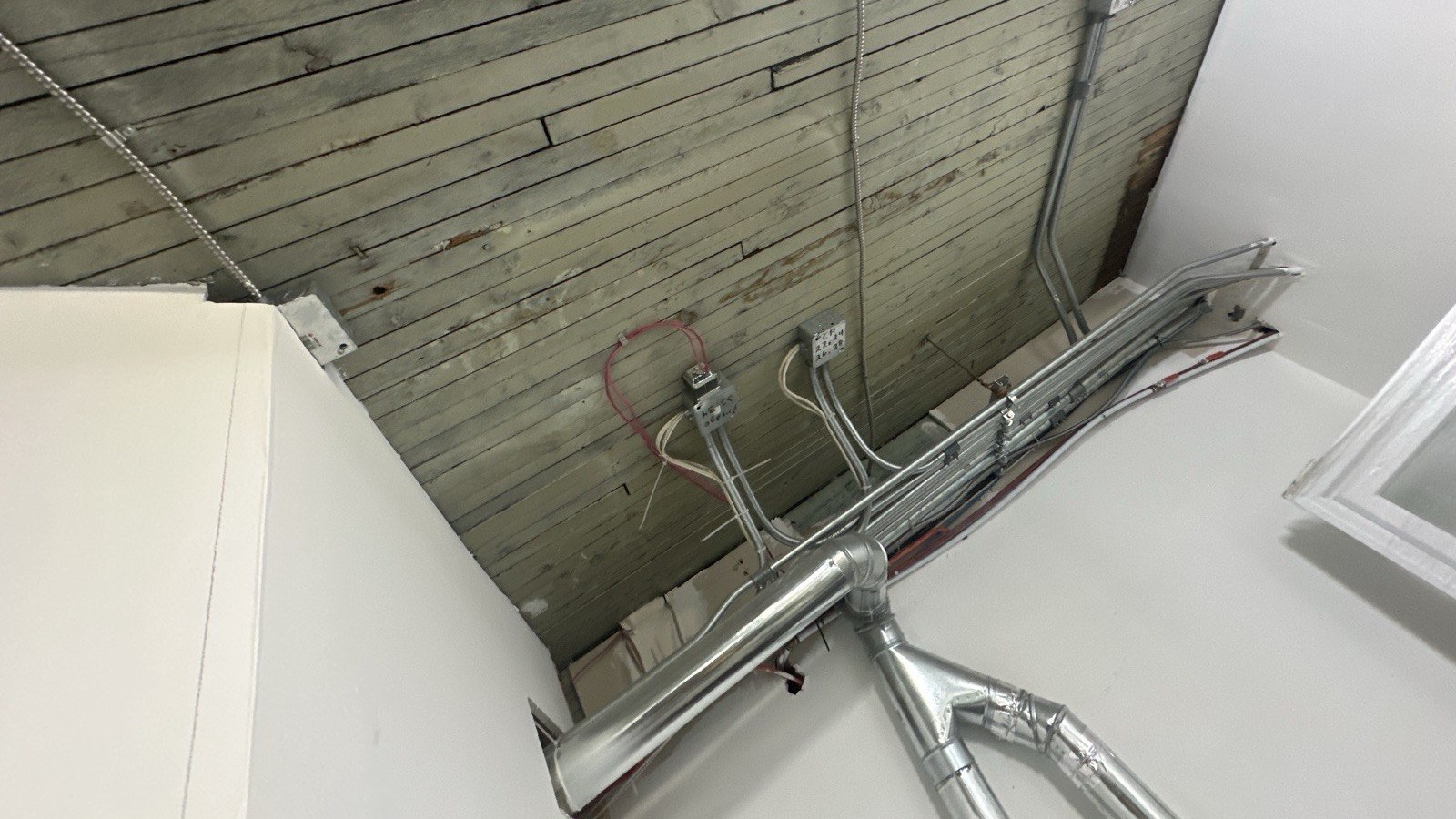
- Roof membrane replacement, major HVAC renewal, elevator modernization, or facade work completed since fieldwork
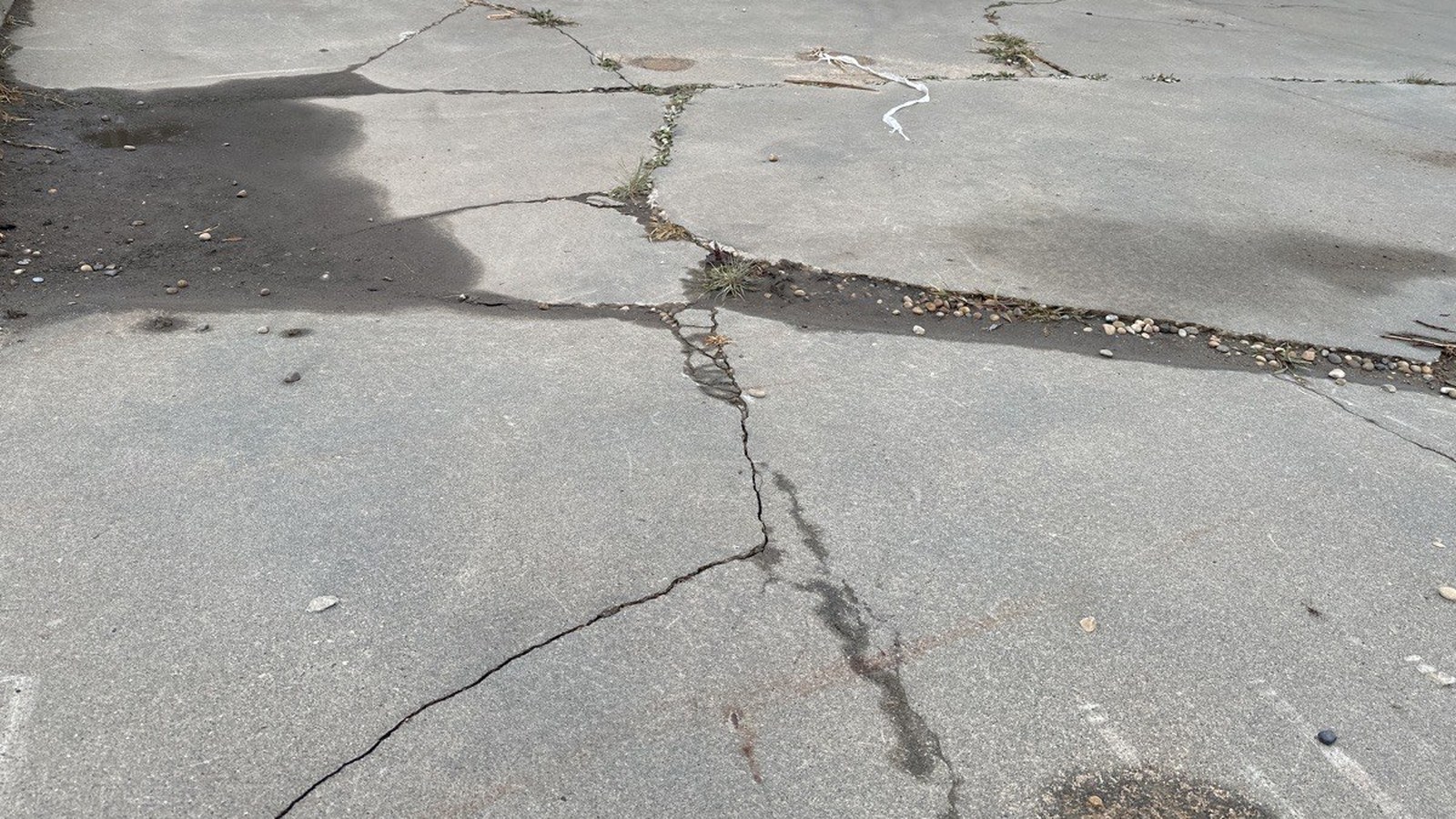
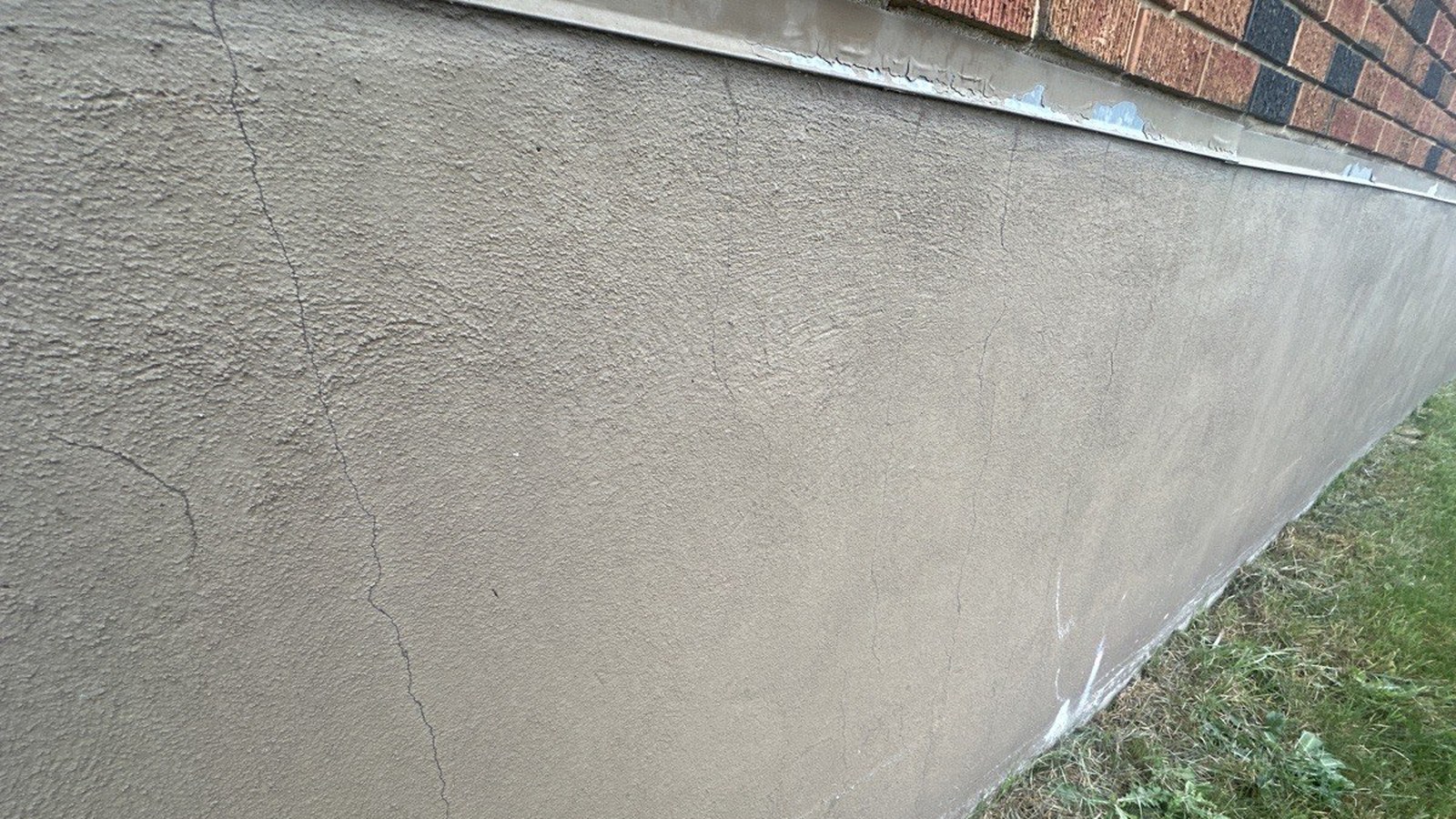
- Recurring leaks, freeze–thaw pavement failure, or envelope distress that was not present—or not accessible—last time
- Snow or ice that blocked roof or site areas during the prior visit, with no return site visit recorded
Operations and people
- Turnover in property management or facilities leadership
- New boards or ownership groups that did not commission the prior report
- Shift from single-tenant to multi-tenant (or the reverse) that changes access and wear patterns
Planning and risk
- Budget season when last year’s cost estimates no longer reflect current work
- Insurer or risk questions after a claim
- Portfolio comparison needs that push you toward a Facility Condition Assessment format instead of a one-off building refresh
What an update is not
- Not automatic legal advice. A refreshed assessment documents observed condition and planning inputs. It does not rewrite leases, bylaws, or insurance policies.
- Not a Calgary BEVA by another name. Calgary’s Building Maintenance Bylaw exterior visual assessment is a prescribed envelope form on a municipal schedule for qualifying taller buildings. Keep that duty on its own calendar and confirm current City of Calgary Building Maintenance Bylaw guidance for qualifying buildings.
- Not a condominium reserve fund study. Alberta’s condominium reserve-fund rules are a separate program. Provincial guidance confirms a study at least every five years for condominium corporations (Alberta — Reserve funds). That interval does not create a universal commercial Building Condition Assessment refresh statute.
- Not the same as lender report-age rules. Purchase and refinance files often care how old a diligence report is for underwriting. That transaction timing question is separate from how an owner refreshes an operating Building Condition Assessment. For transaction-specific report-age and reliance requirements, confirm with your lender and see Property Condition Assessment for Lenders.
Full refresh, scoped update, or targeted investigation
Agree the product in writing before the visit:
- Full Building Condition Assessment — new walk-through and document review when many systems may have changed or the prior report is no longer a reliable baseline.
- Scoped update — revisit selected systems after known capital work, or complete areas that were inaccessible before.
- Targeted investigation — when you already know the problem (a leak path, cracked slab, failing unit). A baseline condition assessment is not a substitute for specialist diagnosis. See Property Condition Assessment Problem Investigation: Scope Limits.
A practical owner cadence
Use this as a planning aid, not a mandate:
- After major capital work or a material weather/claim event — update the affected systems promptly.
- When management or ownership changes — commission a shared baseline if the team will rely on the file.
- Before multi-year capital approval — refresh if the last fieldwork no longer matches what staff see on site.
- On a quiet, stable building — monitor with maintenance records; schedule a fuller assessment when the next large renewal window approaches.
For cost-table and reserve framing after you have current condition data, see Capital Reserve Planning Guide: Forecasting Building Replacement Costs.
Requesting an update
Brookstone Inspection Services Ltd. provides Building Condition Assessments and related commercial assessments across Alberta. Tell us the address, approximate size and use, the date and scope of the last report, what has changed on site, and the decision the update must support. Start from the Building Condition Assessment service page or, for Edmonton-area renewal planning, Building Condition Assessment in Edmonton.
For owners, this refresh question is not the same as a buyer asking whether they can rely on the seller’s old building condition report. And it is not the Alberta condominium reserve fund study clock. Condo corporations that need the five-year study, report and board-approved plan should use The 5-Year Alberta Reserve Fund Study Rule on the Reserve Fund site — that is a different product, under a different statute. If the engagement is a Facility Condition Assessment rather than a BCA, set limited versus full scope in the written proposal.
FAQs
Is there a law that says I must update a Building Condition Assessment every five years in Alberta?
Do not assume a five-year rule applies to every commercial Building Condition Assessment. Confirm the requirements for your property. Condominium reserve fund studies and Calgary exterior visual assessments are separate programs with their own timing.
Can I update last year’s report without going back on site?
Meaningful updates normally need current observations. Desktop commentary without access is limited. Ask for a proposal that states whether a return site visit, limited update, or full new assessment is appropriate.
If I already have a Property Condition Assessment, do I need a Building Condition Assessment refresh?
Maybe not under that name. Confirm who may rely on the existing file and whether its emphasis still matches an owner planning job. The written scope matters more than the title.
How is this different from a Facility Condition Assessment program?
An FCA may cover one facility or several and usually emphasizes asset-oriented planning inputs. A Building Condition Assessment often focuses on one building’s condition and renewal priorities. Choose the format and scope around the decision, not facility count alone.
Does Alberta’s five-year condominium reserve fund study rule apply to my commercial building?
Not as a Building Condition Assessment refresh rule. Provincial guidance sets a reserve fund study at least every five years for condominium corporations. That is a separate condominium program; it does not set a refresh interval for a commercial Building Condition Assessment.
Sources
- Brookstone — BCA vs PCA vs FCA in Alberta: https://commercial.brookstoneinspection.com/resources/bca-vs-pca-vs-fca-alberta-which-assessment-do-you-need
- Brookstone — Property Condition Assessment for Lenders: https://commercial.brookstoneinspection.com/resources/property-condition-assessment-for-lenders-what-underwriters-want
- Brookstone — Property Condition Assessment Problem Investigation: Scope Limits: https://commercial.brookstoneinspection.com/resources/property-condition-assessment-problem-investigation-scope-limits
- Brookstone — Capital Reserve Planning Guide: https://commercial.brookstoneinspection.com/resources/capital-reserve-planning-guide-forecasting-building-replacement-costs
- City of Calgary — Building Maintenance Bylaw (exterior assessment program for qualifying buildings): https://www.calgary.ca/bylaws/building-maintenance.html
- Alberta — Reserve funds (condominium study at least every five years): https://www.alberta.ca/reserve-funds
- ASTM International — E2018-24 Standard Guide for Property Condition Assessments (sections 4.2 and 4.5; point-in-time and use of prior reports): https://store.astm.org/e2018-24.html