Need a Commercial Property Inspection or Property Condition Assessment?
Brookstone Inspection offers Commercial Property Inspection or Property Condition Assessment. Request a Commercial Property Inspection or Property Condition Assessment Quote
A Building Condition Assessment (BCA) is an independent review of a building's major systems that documents their current condition, identifies deficiencies, prioritizes repairs and supports renewal and capital planning.
Brookstone Inspection Services Ltd. is an Alberta engineering and inspection firm that provides Building Condition Assessments, Facility Condition Assessments and Property Condition Assessments, with reports signed or sealed by a licensed Professional Engineer (P.Eng., APEGA), as the engagement requires.
Choosing who does the assessment matters as much as ordering one. Two reports with the same name can look very different on paper. This guide explains what a Building Condition Assessment should cover, who usually needs one, and how to compare providers so you get a report you can actually use for budgets, boards and lenders.
Key Takeaways
- A Building Condition Assessment is a visual, non-destructive review of a building's major systems that documents condition, deficiencies, repair priorities and renewal costs.
- Compare providers on engineer involvement, the standard followed, a written scope, a real site visit, cost estimates, turnaround, a sample report, insurance and Alberta knowledge, and compare price last.
- Look for a report reviewed and signed or sealed by a licensed Professional Engineer, and confirm their APEGA registration.
- Get a written proposal that names the systems in scope, the level of detail, the planning horizon, who may rely on the report and what is excluded.
- Brookstone follows ASTM E2018-24 and includes a renewal and capital expenditure table over a standard 10-year planning horizon.
- Brookstone site visits typically take 4 to 8 hours, and reports are typically delivered within 10 to 15+ business days of the site visit.
What a Building Condition Assessment covers
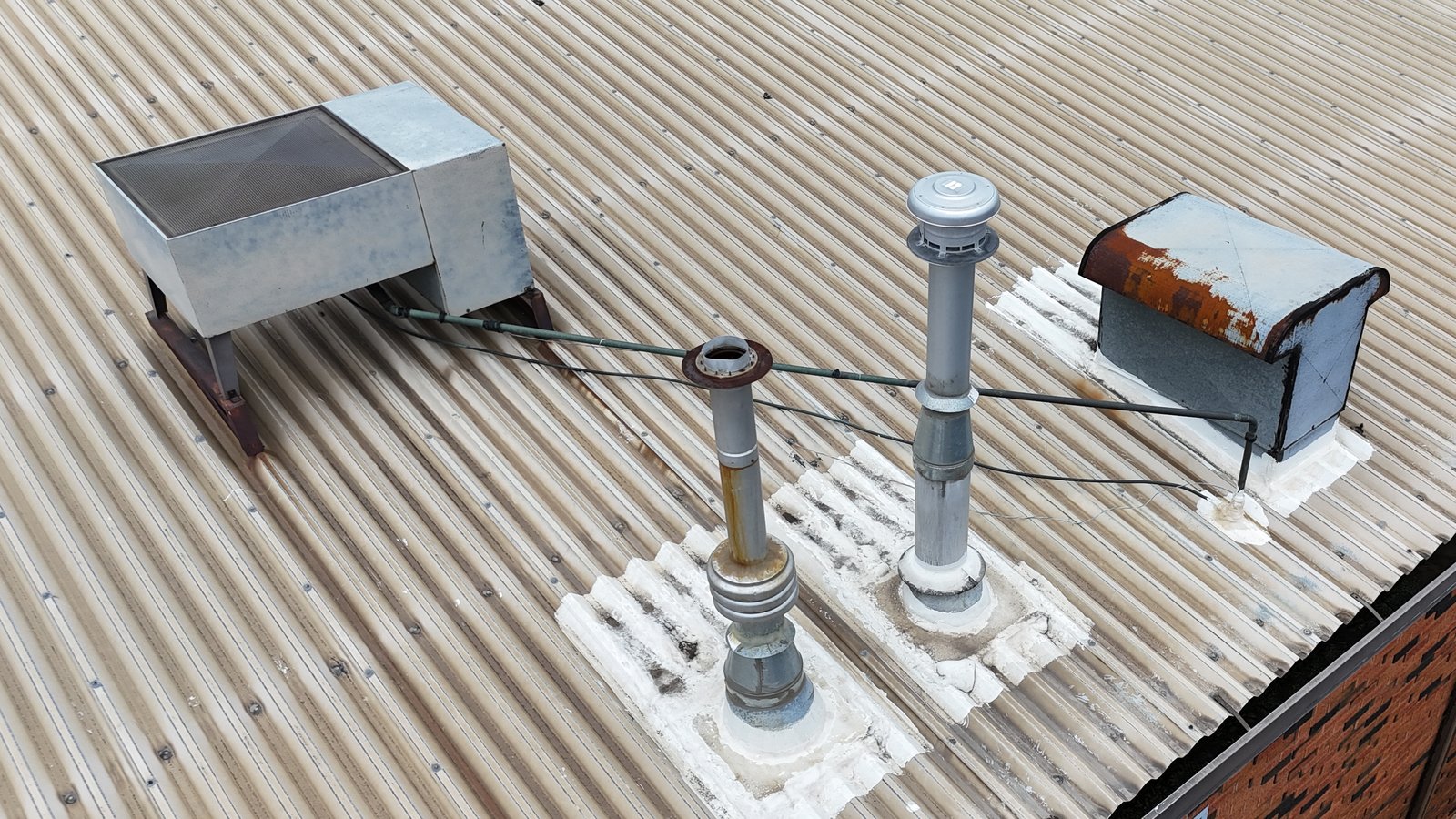
In general, a Building Condition Assessment is a visual, non-destructive review of the accessible parts of a building, combined with a review of whatever records are available. It is not a design study, a code-compliance certificate or a destructive investigation. Concealed conditions are not opened up unless the written scope says so.
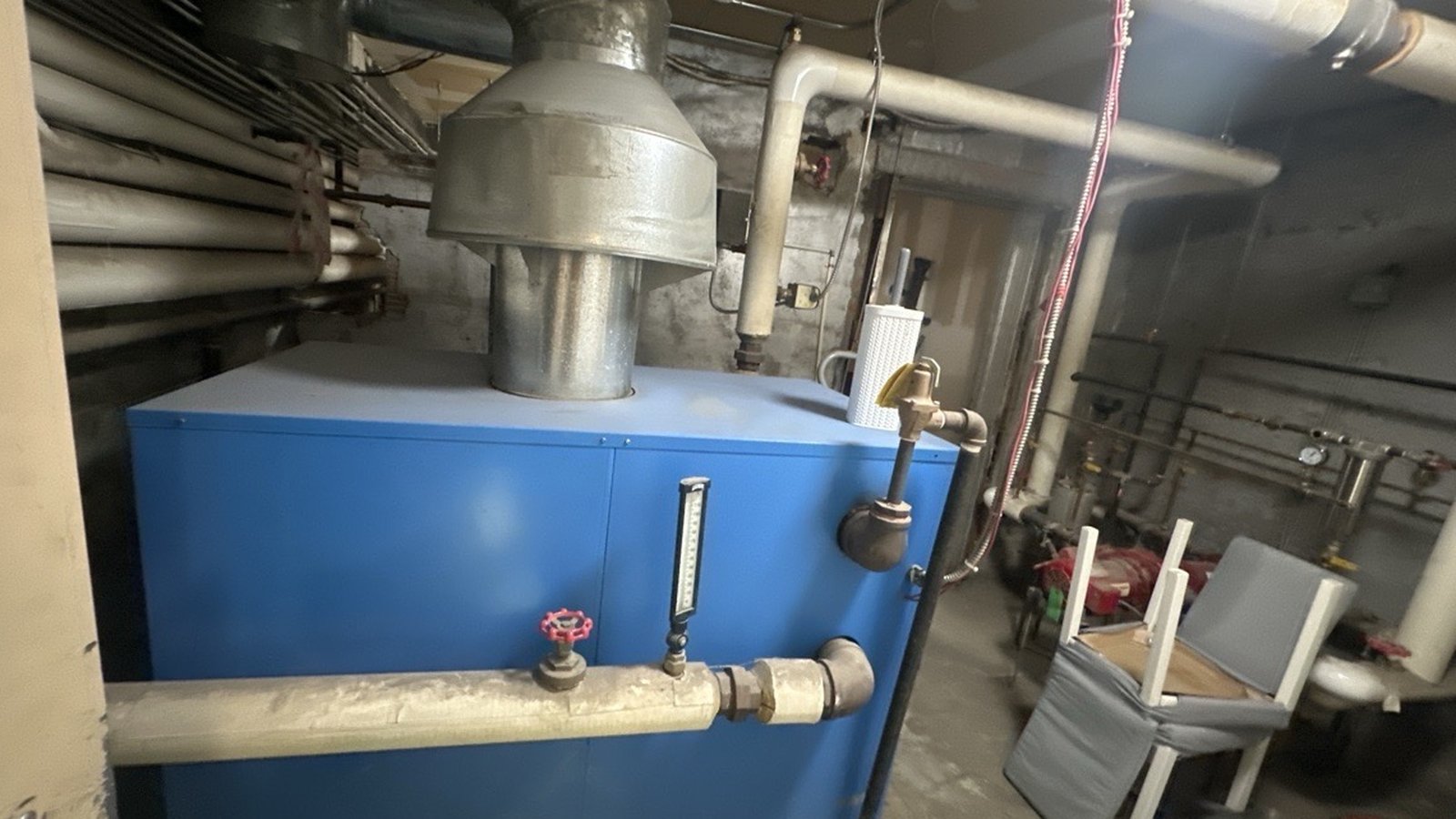
At Brookstone, a Building Condition Assessment typically looks at:
- Structural systems and foundation (visible elements)
- Building envelope: roof, walls, windows and doors
- Mechanical systems, including heating, ventilation, air conditioning and plumbing
- Electrical systems and distribution
- Fire protection and life safety
- Interior finishes and common areas
- Site improvements, grading and parking
- Barrier-free accessibility observations
The assessment follows ASTM International's E2018-24 Standard Guide for Property Condition Assessments, and components are classified using UNIFORMAT II, ASTM International's standard classification for building elements (ASTM E1557-09(2020)).
Who needs a Building Condition Assessment
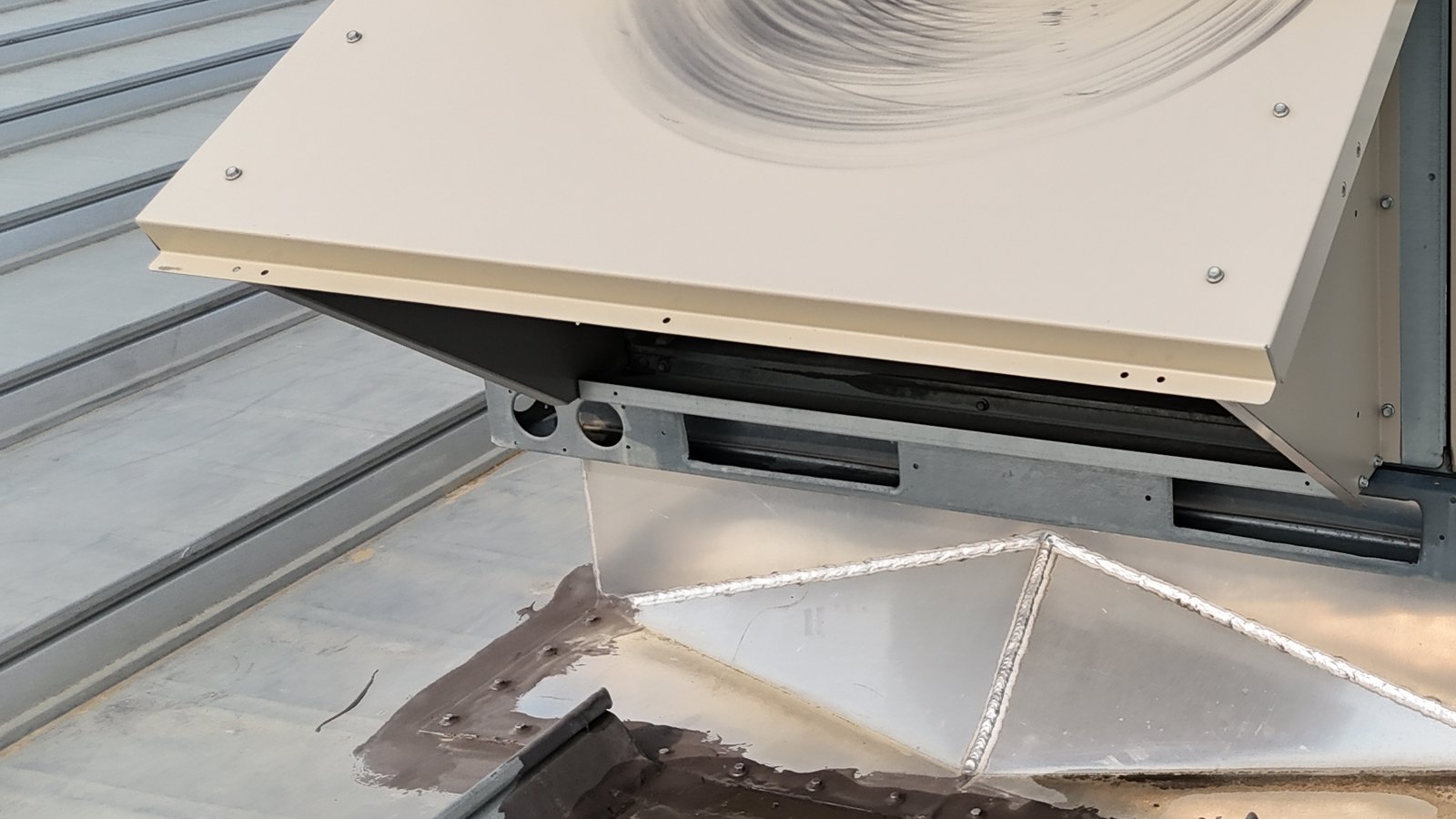
A Building Condition Assessment is useful whenever one building decision needs a clear, defensible view of condition and cost. Typical clients include:
- Buyers and investors who want to know about visible deficiencies and near-term costs before they commit
- Lenders who need an independent condition opinion, with the reporting format and reliance confirmed in writing first
- Building owners and property managers planning repairs, maintenance and renewal budgets
- Condominium boards funding major work and separating urgent repairs from work that can be planned
- Municipalities and other public owners building a consistent condition baseline for facilities they operate
- Non-profit and community organizations supporting board and funding discussions for aging buildings
How to compare Building Condition Assessment providers
Price matters, but it is the last thing to compare, not the first. Here is what to look at.
1. Engineer involvement and who signs the report. Ask whether a licensed Professional Engineer reviews and signs or seals the report, and confirm their APEGA registration. Ask which parts of the work are done by inspectors and which by the engineer, and get those roles in the written proposal.
2. The standard the work follows. A provider should be able to tell you which standard their method follows. ASTM E2018 is the common reference for property condition work in North America. Ask which edition they use.
3. A written scope before the work starts. The written proposal should name the systems in scope, the level of detail, the planning horizon, any document review, who may rely on the report, and what is excluded. If a provider can't tell you what you will receive, you won't be able to compare quotes fairly.
4. A real site visit. Condition can't be assessed from drawings alone. Ask how long the site visit will take, which areas will be accessed (roofs, mechanical rooms, representative suites) and what you need to arrange.
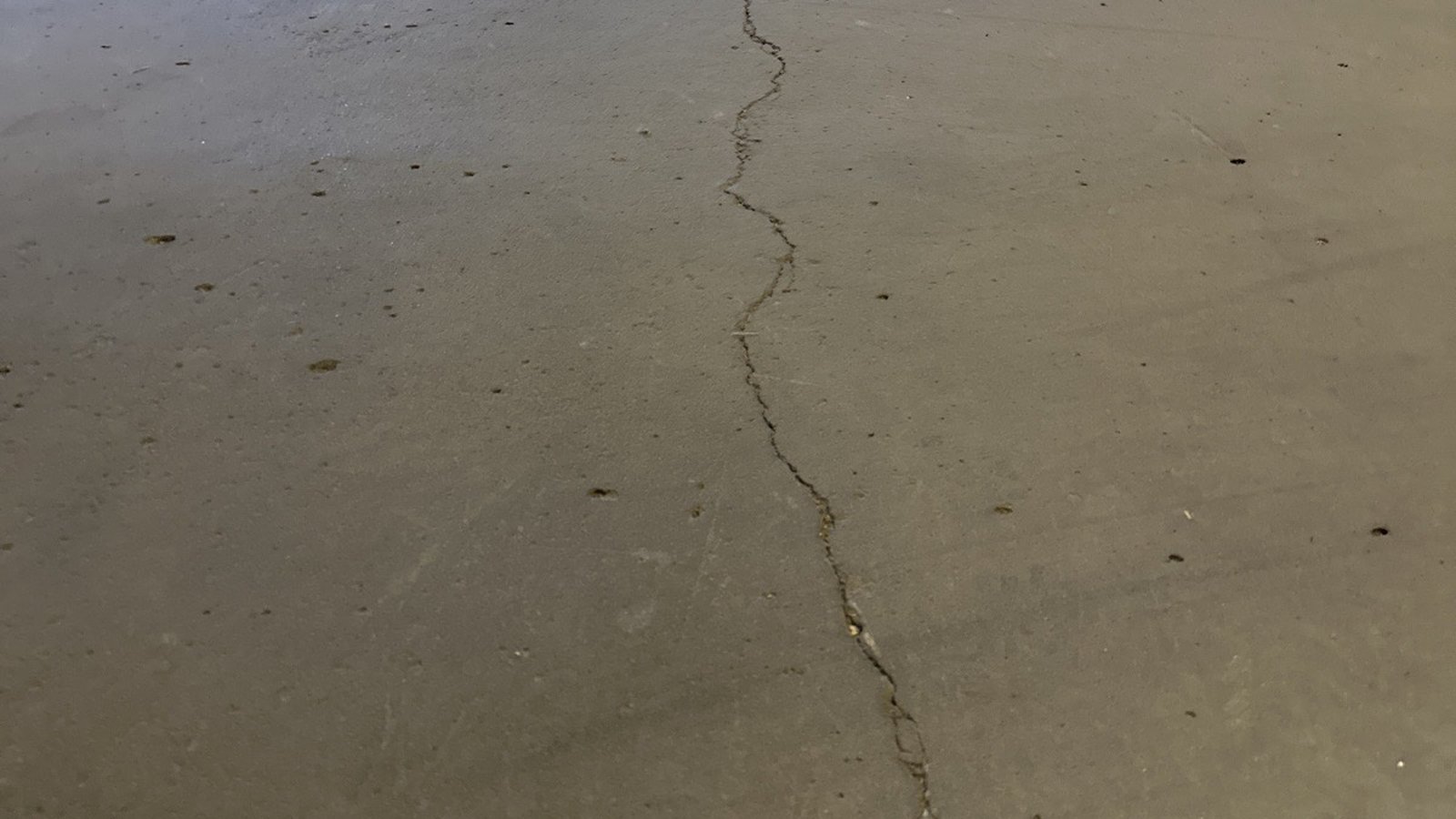
5. Useful cost estimates. Ask whether the report includes opinions of probable cost and a capital expenditure table, and over what horizon. Ask how costs are developed and how repairs are prioritized and timed.
6. Realistic turnaround. Ask for a report delivery estimate tied to your building's size and complexity, and tell the provider about any financing or closing dates up front.
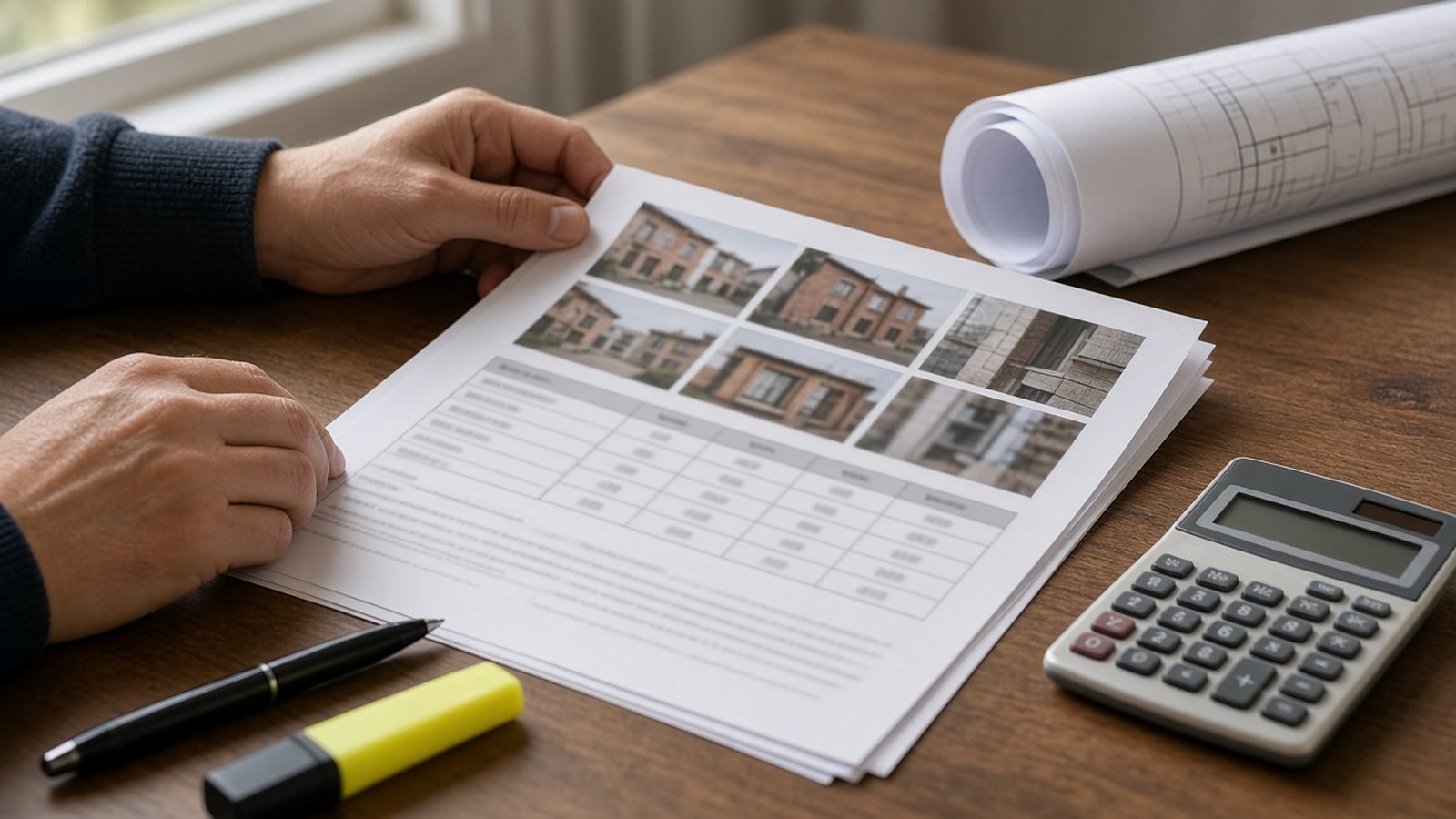
7. A sample report. A sample shows you the depth of reporting before you pay for it. Look for photographs, condition ratings, a component inventory and a cost table you could hand to a board or lender.
8. Insurance. Ask whether the provider carries errors and omissions (professional liability) and general liability insurance.
9. Alberta knowledge. Freeze-thaw cycles, envelope durability, parkade wear, roofing life cycles and mechanical replacement timing are common cost drivers in Alberta buildings. A local provider should be familiar with the Alberta Building Code and with travel to your community.
Questions to ask before you hire
- Who will be on site, and who will review and sign the report?
- Which standard do you follow, and which edition?
- Which systems are in scope, and what is excluded?
- What planning horizon will the capital expenditure table cover?
- How are cost opinions developed?
- Can I see a sample report?
- What documents and access do you need from us?
- When will I receive the report, and can it be shared with my lender or board?
- What insurance do you carry?
How Brookstone does it
Our process has four steps:
- Scope review. We confirm the systems in scope, level of detail, planning horizon and any document review before pricing the work.
- Document and records review. We review the drawings, maintenance records and prior reports you have.
- Site assessment. We assess the accessible systems on site and photograph observed conditions. The site visit typically takes 4 to 8 hours, depending on building size and complexity.
- Reporting. Findings, condition ratings, priorities and cost opinions are compiled in the agreed format. Reports are typically delivered within 10 to 15+ business days of the site visit, depending on property size, complexity and any added services.
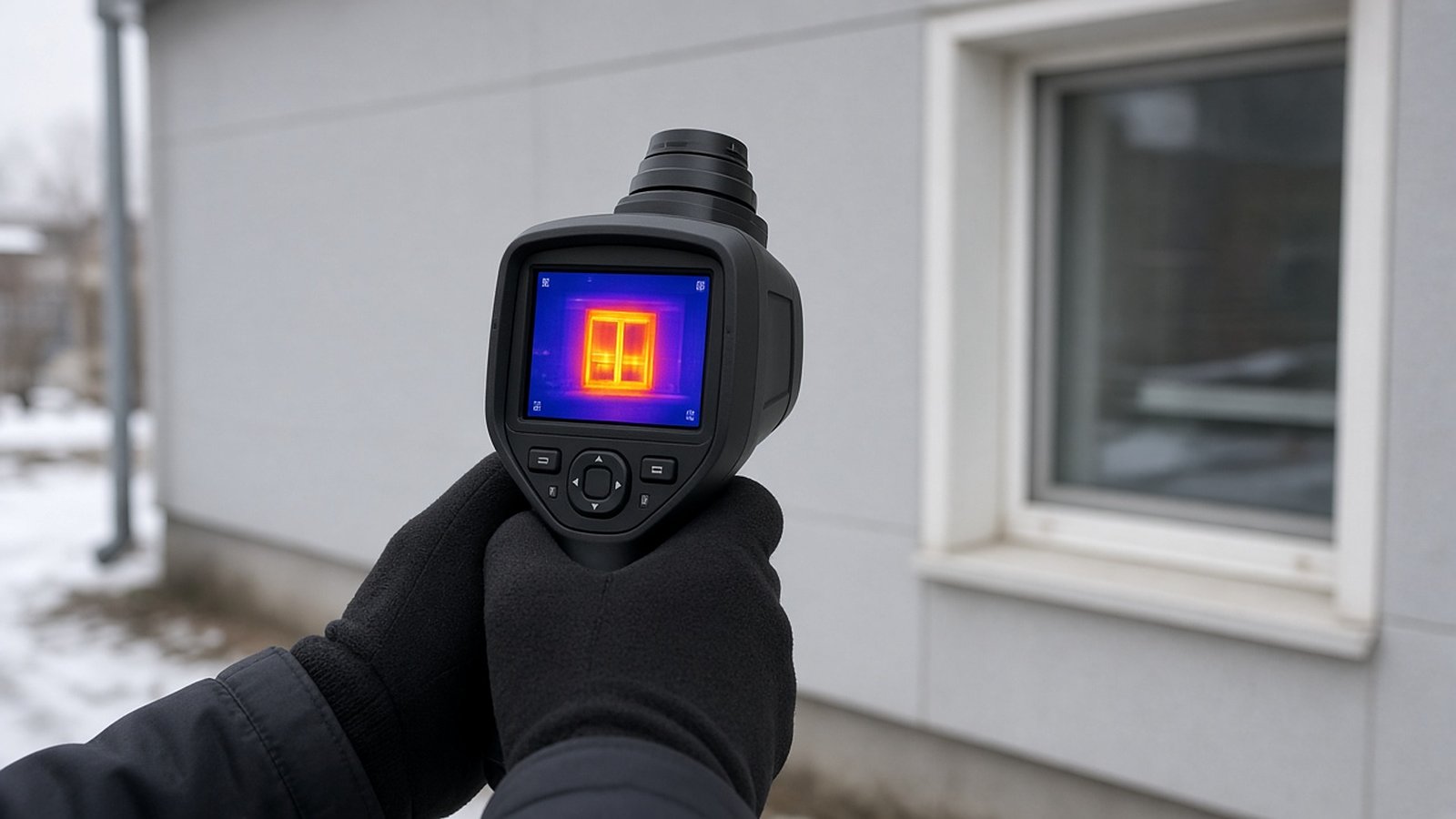
Every report is signed or sealed by a licensed Professional Engineer (P.Eng., APEGA), as the engagement requires. Our team also holds the Certified Commercial Property Inspector credential from the Certified Commercial Property Inspectors Association (CCPIA) and infrared thermography certification, and every engagement is backed by errors and omissions and general liability insurance.
You can review anonymized sample Property Condition Assessment reports, including component inventories, prioritized deficiencies and a capital reserve forecast, to see how we report.
We serve 43 communities across Alberta, including Edmonton, Calgary, Red Deer, Sherwood Park, St. Albert, Leduc, Airdrie, Camrose and Lloydminster. Travel is included in the written fee proposal. Learn more on our Building Condition Assessment service page.
Request a Building Condition Assessment quote
Tell us the building's location, type, approximate size, the purpose of the assessment and your deadline. We respond with a written fee proposal, typically within one business day.
Request a quote or call 587-333-5530.
Frequently Asked Questions
What is a Building Condition Assessment?
A Building Condition Assessment is an independent review of a building's major systems to document condition, identify deficiencies, prioritize repairs and support capital planning. It relies on a visual review of accessible parts, records and professional judgement.
Is a Building Condition Assessment the same as a Property Condition Assessment?
The terms overlap in Canadian practice, and Brookstone uses the same ASTM E2018-24 method for both. A Property Condition Assessment usually supports a purchase or financing; a Building Condition Assessment, repair and renewal planning. The written scope decides.
Who should sign a Building Condition Assessment report?
Look for a report signed or sealed by a licensed Professional Engineer. At Brookstone, every report is signed or sealed by a licensed Professional Engineer (P.Eng., APEGA), as the engagement requires.
What does a Building Condition Assessment report include?
A Brookstone report includes condition ratings for assessed systems, photographs, a prioritized deficiency and repair list, opinions of probable cost, a renewal and capital expenditure table over a standard 10-year planning horizon, and an executive summary.
How long does a Building Condition Assessment take?
The site visit typically takes 4 to 8 hours, depending on building size and complexity. Reports are typically delivered within 10 to 15+ business days of the site visit, depending on property size, complexity and any added services.
How much does a Building Condition Assessment cost in Alberta?
Fees depend on building size, age, complexity, systems in scope, planning horizon and travel. Because scope varies widely, we quote after a short scope review rather than from a price list, and typically send a written fee proposal within one business day.
Does a Building Condition Assessment include destructive testing or environmental sampling?
No, not as standard. The assessment is visual and non-destructive. Concealed conditions are not opened, and environmental sampling, hazardous-material assessment, laboratory testing and specialist investigation need a separate written scope.
Which Alberta communities does Brookstone serve?
We serve 43 communities across Alberta, including Edmonton Metro, Calgary Metro, Red Deer, and central, north, east and west Alberta. Travel is included in the written fee proposal.