A city commercial inspection is a municipal, point-in-time permit audit against minimum safety standards. It is not a private Commercial Property Inspection or Property Condition Assessment of the whole building, so Alberta buyers should not treat it as one before they waive conditions.
Need a Commercial Property Inspection or Property Condition Assessment?
Brookstone Inspection offers Commercial Property Inspection or Property Condition Assessment. Request a Commercial Property Inspection or Property Condition Assessment Quote
Key Takeaways
- City commercial inspections are part of the permit process. They are a point-in-time audit that the permitted work meets minimum safety standards—not a whole-building condition survey for a purchaser.
- In Edmonton, a passed final inspection path leads to a Permit Services Report and, where applicable, an Occupancy Permit that authorizes occupancy under the Safety Codes Act—not a buyer’s condition report.
- In Calgary, a Development Completion Permit confirms the project matches the approved Development Permit (exterior, landscaping, parking, and related conditions). An acceptable building permit final and a DCP are both typically required before occupancy; passing one does not replace the other.
- Municipal records are useful evidence in due diligence. They do not certify present physical condition of roofs, mechanical systems, structure, or deferred maintenance.
- Before you waive conditions, commission a Commercial Property Inspection or Property Condition Assessment scoped to the asset and your transaction—alongside legal, environmental, and municipal-records work.
What a “city inspection” actually is
When sellers, brokers, or listing packages say “the building was inspected by the city,” they usually mean municipal safety-codes or development inspections tied to a building permit or development permit—not an independent consultant walkthrough ordered by a buyer.
The City of Edmonton states that commercial inspections are “an essential part of the permit process” and that city inspections do a point-in-time audit to ensure the work meets minimum safety standards. That language matters. The inspector is checking permitted construction (or related stages) against the codes and standards that apply to that permit—not preparing a capital plan for a future owner.
Calgary’s Development Completion Permit (DCP) is the final approval confirming the development was built according to the approved Development Permit. The City’s public guidance lists items such as exterior finishes and elevations, landscaping, and parking. Separately, building and trade inspections address safety-codes work under the building permit. Calgary’s DCP page is explicit: acceptable or passed building permit final inspections and DCP inspections are both required prior to occupancy or commencement of use; passing one does not replace the other.
Neither process is designed as a purchaser’s Property Condition Assessment.
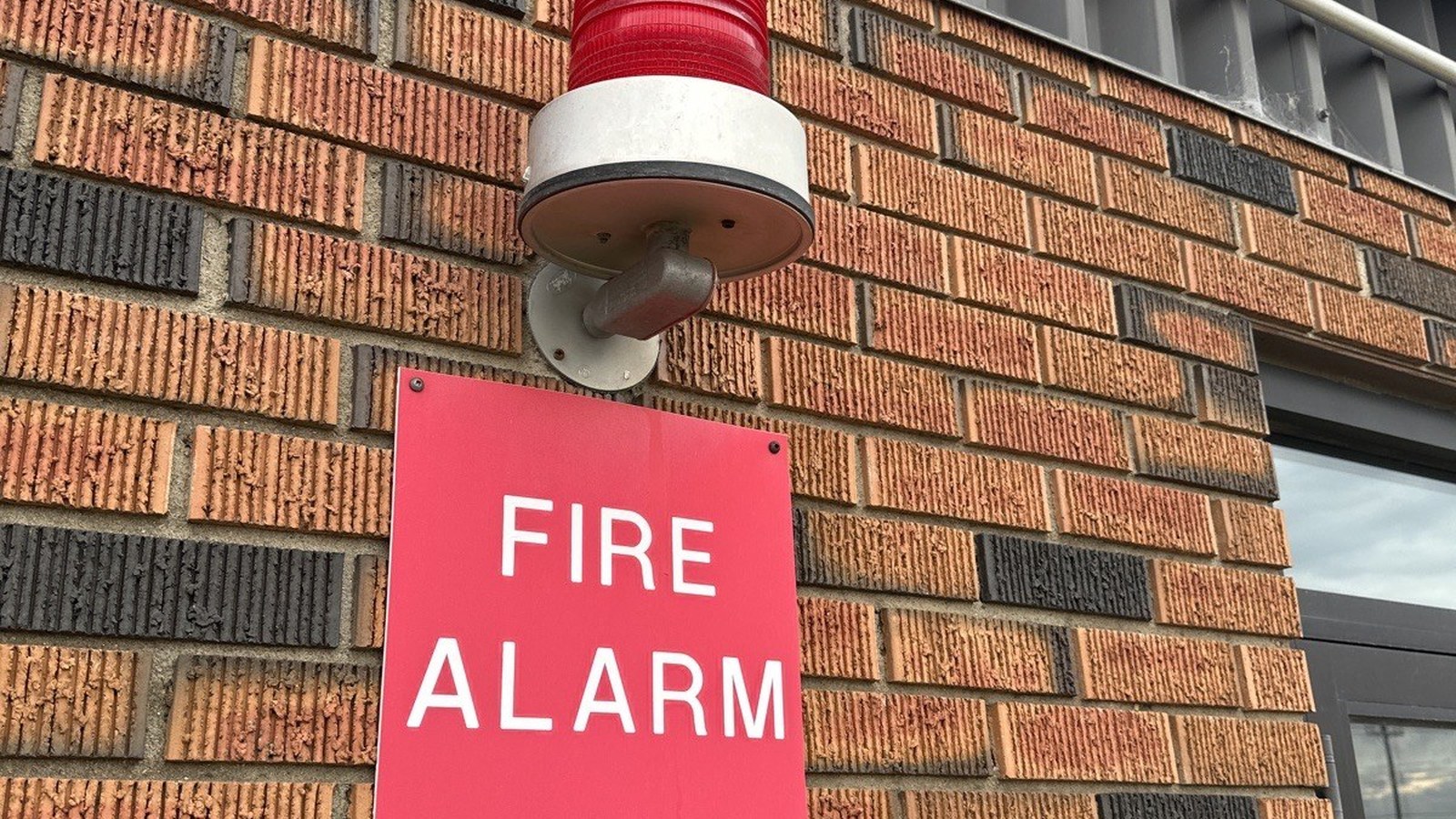
Edmonton: Occupancy Permit and Permit Services Report
For commercial projects in Edmonton, inspections are requested after permits are issued. Outcomes range from Passed/OK through Deficiency/Fail, Conditional, Not Ready, and others. When a Final outcome is reached with no observed deficiencies for that path, Edmonton indicates it will issue a Permit Services Report and, where applicable, an Occupancy Permit.
Key buyer takeaways from the city’s published process:
- The Occupancy Permit represents permission to occupy. Occupying before receiving it can breach the Safety Codes Act and Safety Codes Permit Bylaw 15894.
- A Permit Services Report summarizes project location, permit number, work description, status, and any further action required of the owner or permit holder.
- Historic Permit Services Reports may require a search of record—they are not a substitute for a current building assessment.
Calgary: Development Completion Permit vs building final
Buyers reviewing Calgary files should separate three related but different instruments:
- Development Permit (DP) — planning approval for the use and site design.
- Development Completion Permit (DCP) — confirmation the completed development matches the approved DP and conditions (often exterior, landscaping, parking, and related items).
- Building permit final / trade finals — safety-codes inspections of the permitted construction.
For a purchaser, a clean DCP and building final package is strong evidence that the approved development and permitted construction cleared municipal gates at the time those inspections occurred. It is still not a current, systems-level condition survey of the asset as it stands today—especially years later, after tenant work, deferred maintenance, or weather exposure.
What municipal paperwork does not prove
Even when municipal files look clean, they typically do not:
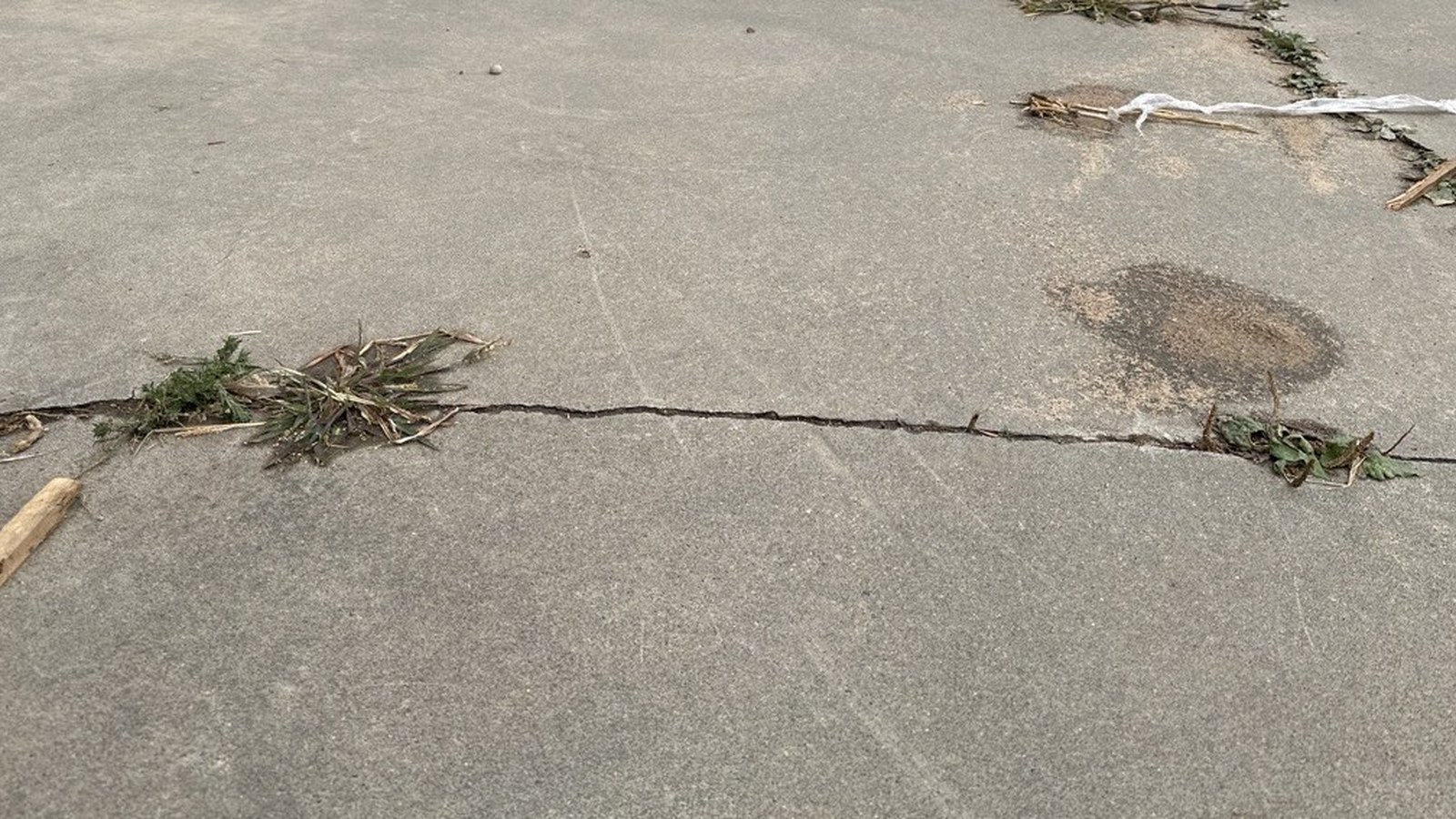
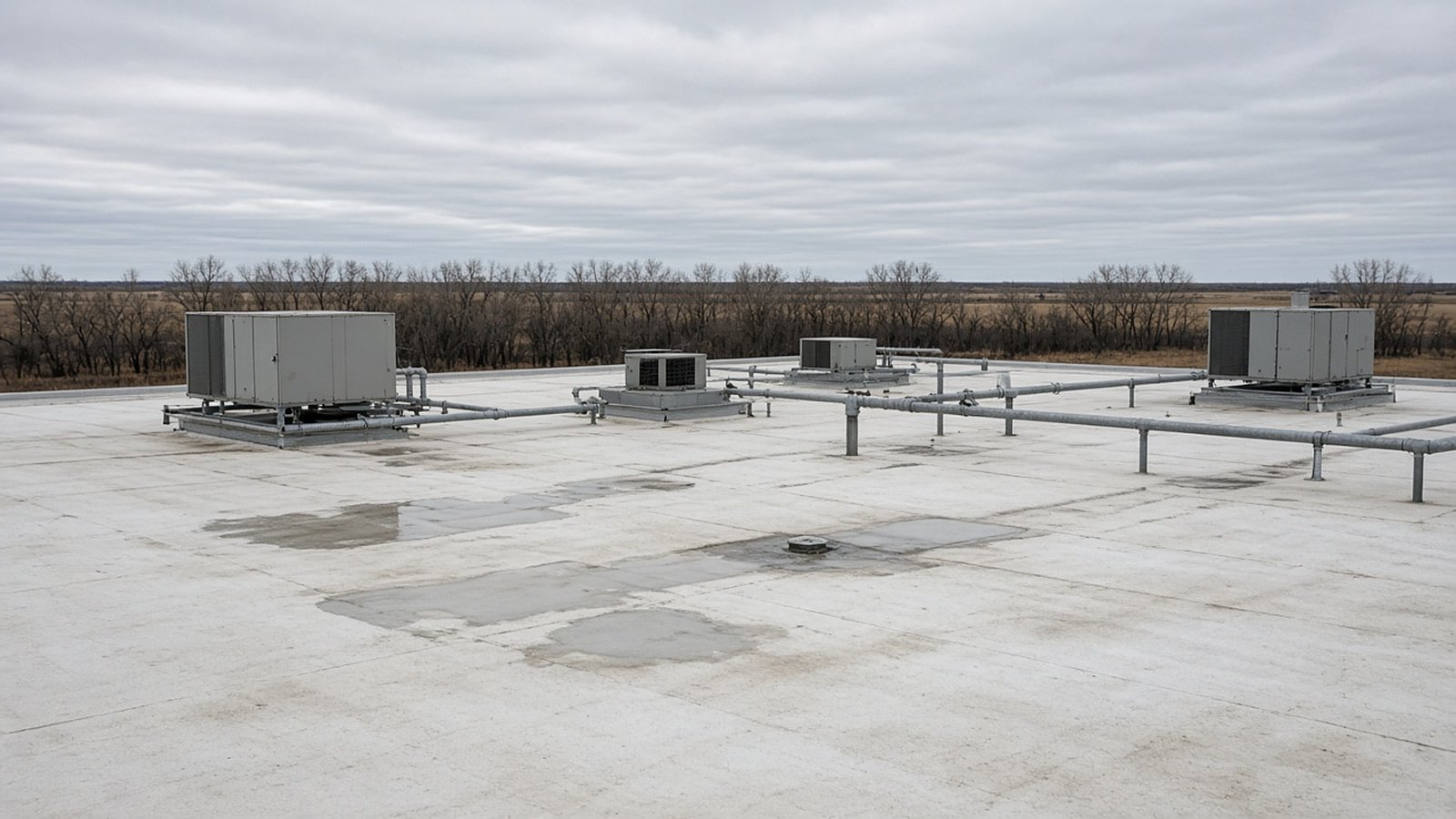
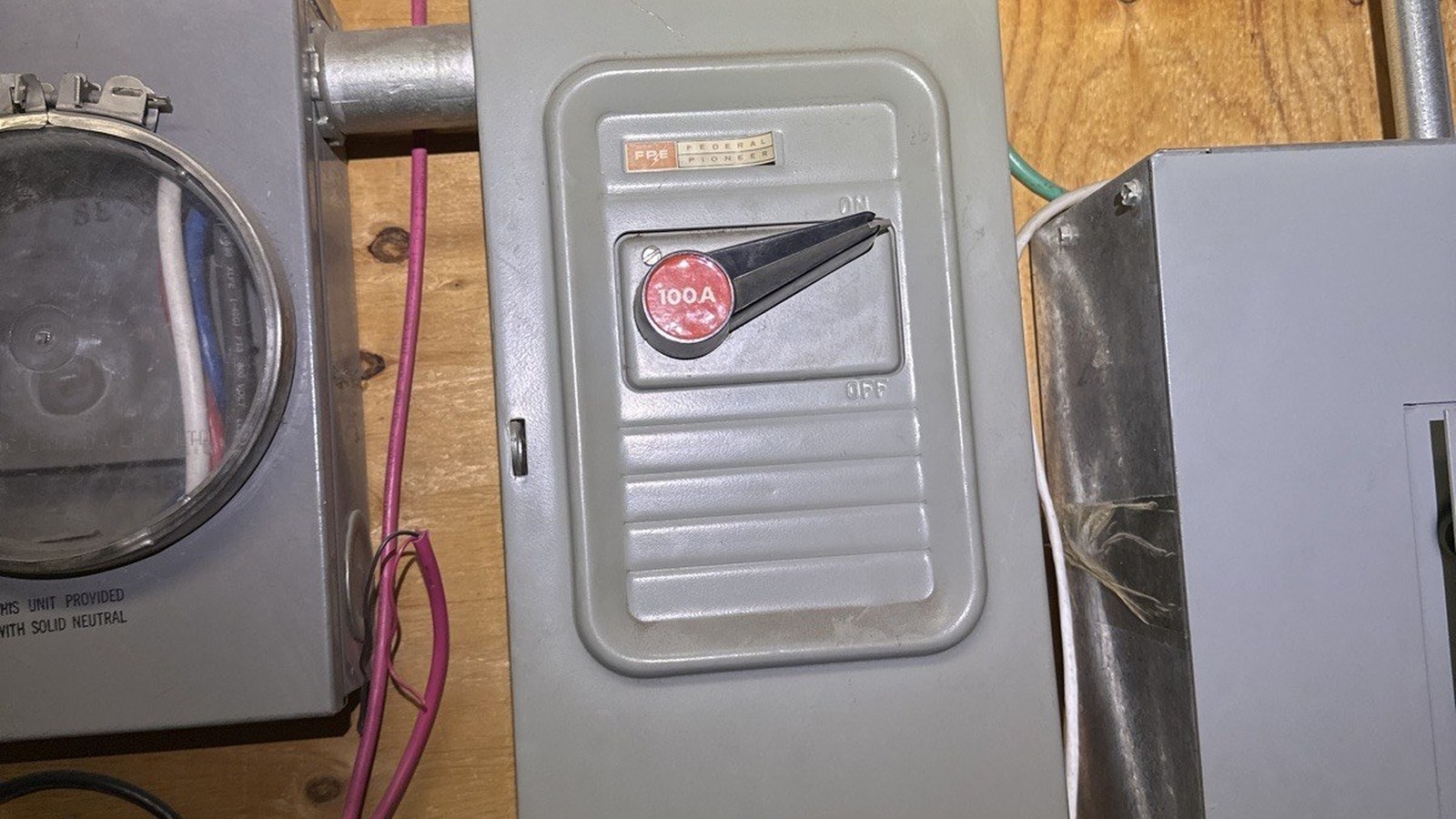
- Rate the present condition of roof assemblies, HVAC, electrical distribution, structure, or site paving
- Produce immediate-repair and multi-year capital tables for negotiation or lender underwriting
- Open concealed assemblies or diagnose leak sources
- Replace a Phase I Environmental Site Assessment
- Certify Alberta Building Code compliance for every subsequent alteration or for the building as a whole outside the permitted scope
What buyers should commission instead (or as well)
During the conditions period, Alberta commercial buyers usually combine:
| Workstream | Typical job |
|---|---|
| Municipal / permit records search | Confirm occupancy, DCP/building finals, outstanding orders, permit history |
| Commercial Property Inspection or Property Condition Assessment | Independent visual condition of major systems; photos; priorities; cost opinions as scoped |
| Phase I Environmental Site Assessment | Environmental historical risk (often lender-driven) |
| Legal diligence | Title, leases, zoning, agreements |
Use Brookstone’s Due Diligence Inspection Checklist for Commercial Buyers for the broader physical package, and choose report type with PCA vs CIR and BCA vs PCA vs FCA when the decision is financing vs ownership planning. If the asset is in Edmonton, commission a Property Condition Assessment for that private review, and book an inspection once the scope is clear.
Practical Alberta scenarios
Scenario A — New build just received Occupancy / DCP. Municipal clearance is recent and valuable. A buyer or lender may still want a baseline Commercial Property Inspection or Property Condition Assessment so capital assumptions are independent of the seller’s construction team.
Scenario B — 1980s retail strip; seller points to an old occupancy letter. Age and intervening work matter. Municipal history is a starting point; current roof, mechanical, and envelope condition still need a private assessment.
Scenario C — Change of use or restaurant fit-out. Calgary’s commercial permit guidance notes that classification and upgrades can be significant; municipal approval for a prior use does not prove the building is ready for your intended use without further design and permit work.
A municipal sign-off also does not answer whether a private assessment is required under a purchase agreement, a lender instruction, or an insurer request. That “required versus recommended” question depends on your contract and your lender, not on the city’s permit file. A city record is also not a substitute for reviewing a seller’s older building condition report on its own terms.
FAQs
Is a city inspection the same as a commercial property inspection?
No. A city inspection is typically a permit-stage safety-codes or development audit. A commercial property inspection or Property Condition Assessment is a private engagement that documents observed condition of major systems for buyers, owners, or lenders under a written scope.
If Edmonton issued an Occupancy Permit, do I still need my own assessment?
Usually yes for purchase or refinance decisions. The Occupancy Permit authorizes occupancy under the city’s process for the permitted work. It does not replace an independent condition and capital review.
In Calgary, is a Development Completion Permit enough for due diligence?
A DCP is important evidence that the development matched the approved Development Permit at completion. Calgary also requires appropriate building/trade finals. None of those instruments replace a current private building assessment for negotiation and capital planning.
Can municipal records show illegal renovations?
Sometimes. Permit searches and property research can surface gaps, but absence of a file is not always proof of illegal work, and presence of a permit is not proof of present condition. Pair records work with a site assessment and legal advice.
Does Brookstone replace city inspectors?
No. Brookstone provides independent Commercial Property Inspections, Property Condition Assessments, Building Condition Assessments, and Facility Condition Assessments. Municipal inspectors enforce permits and safety codes; they do not work for the purchaser’s due diligence file.
Sources
- City of Edmonton — Commercial Inspections (point-in-time audit; minimum safety standards; Permit Services Report; Occupancy Permit): https://www.edmonton.ca/business_economy/commercial-building-inspections
- City of Calgary — Development Completion Permit (DCP purpose; DCP vs building final; occupancy): https://www.calgary.ca/development/completion-permit.html
- City of Calgary — New buildings and additions (commercial permits context): https://www.calgary.ca/development/commercial/new-buildings-additions-permits.html
- Brookstone — Alberta Building Code Requirements for Commercial Properties: https://commercial.brookstoneinspection.com/resources/alberta-building-code-requirements-for-commercial-properties
- Brookstone — Due Diligence Inspection Checklist for Commercial Buyers: https://commercial.brookstoneinspection.com/resources/due-diligence-inspection-checklist-for-commercial-buyers