Buying a commercial building in Alberta means judging how hard the building will be to keep running once you own the keys: whether people and contractors can safely reach, service, and replace roofs, mechanical equipment, and site systems, not only whether something looks worn today.
Need a Commercial Property Inspection or Property Condition Assessment?
Brookstone Inspection offers Commercial Property Inspections and Property Condition Assessments. Request a Commercial Property Inspection quote or a Property Condition Assessment quote.
Key Takeaways
- Maintainability is about whether people and contractors can safely reach, service, and replace major systems—not only whether something looks worn today.
- Alberta winters raise the stakes: snow-blocked roofs, freeze–thaw on pavement and envelopes, and long heating seasons punish buildings that are hard to service.
- Ask about roof access, mechanical-room clearances, equipment that needs lifts or confined-space entry, and whether replacements require opening the building envelope.
- A visual Property Condition Assessment or Commercial Property Inspection can document access limits and “condition unknown” areas; it does not open walls or certify every future repair cost.
- Treat maintainability findings as negotiation and operating-budget inputs—alongside price, leases, and municipal records.
A commercial purchase is easy to underwrite as a set of numbers. The harder question is operational: once you own the keys, can your staff and contractors actually maintain the place without constant improvisation?
This guide is for people buying a commercial building in Alberta and their advisors. It explains how to judge maintainability—the practical difficulty of keeping roofs, mechanical equipment, electrical gear, and site elements in service—using a Property Condition Assessment or Commercial Property Inspection as evidence. It is not a catalogue of every common deficiency, and it is not a capital-budget spreadsheet. Those jobs already have their own Brookstone guides.
Answer first: what “difficult to maintain” usually means
A building is difficult to maintain when routine or capital work requires unusual access, downtime, specialty equipment, or destructive openings that a typical owner did not price into the deal. Examples include:
- Rooftop equipment that cannot be reached without a crane or that sits behind unsafe, unguarded edges
- Mechanical rooms so tight that equipment cannot be pulled without cutting openings
- Flat roofs with no safe hatch or interior stair access in winter
- Drainage or envelope details that need repeated emergency sealant work because original flashing cannot be serviced
- Controls or panels that require partial shutdown of tenant spaces for ordinary testing
Industry writers on facilities maintainability make the same point from the operations side: buildings that look fine on paper can still be expensive when components cannot be reached or replaced without disrupting the facility. See ISES’s discussion of building designs and maintainability (U.S. facilities context; principles transfer, local rules and climate do not).
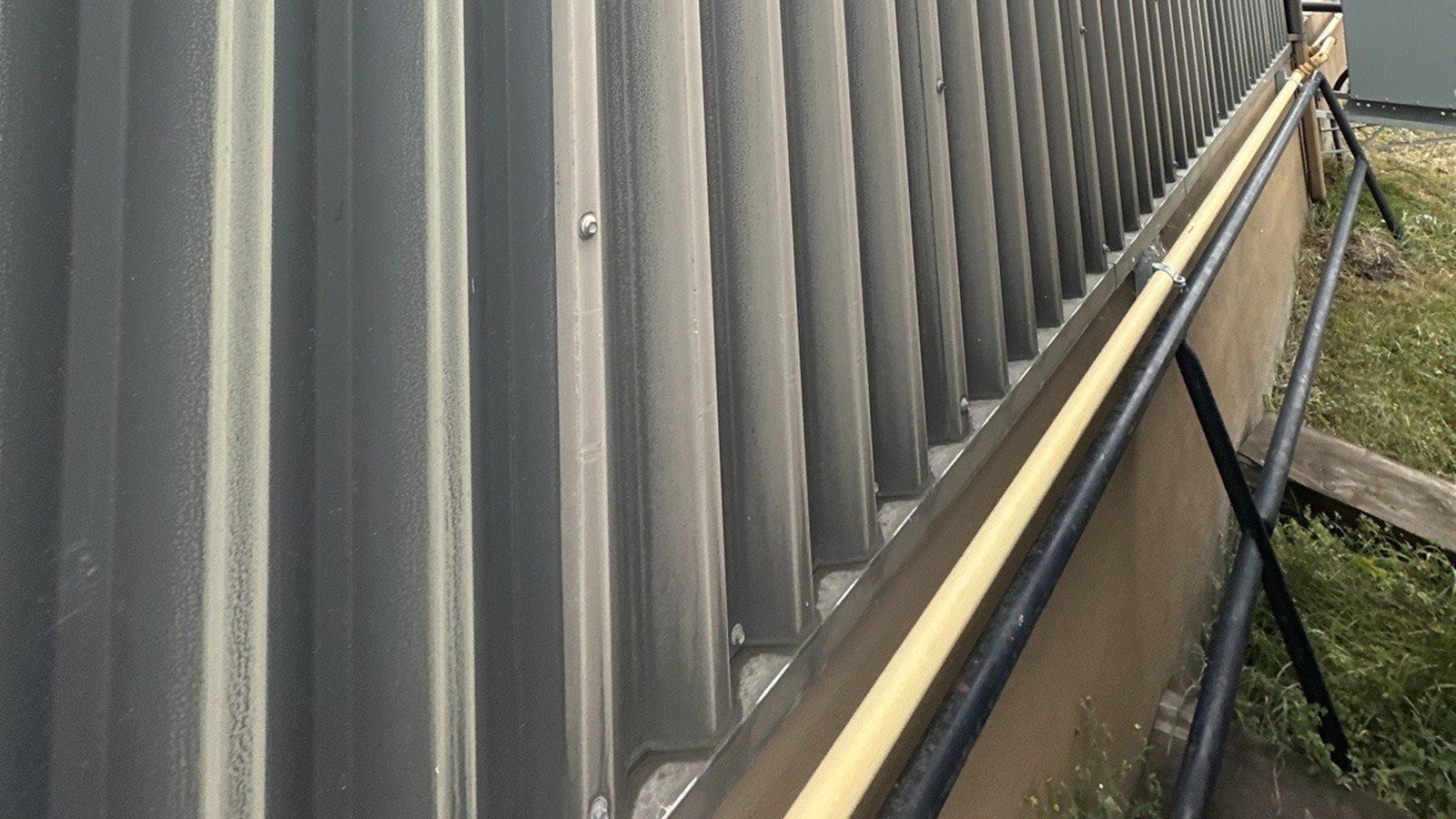
Alberta climate makes access part of the purchase risk
Alberta freeze–thaw cycles, snow load, and long heating seasons are well-recognized drivers of roof, envelope, pavement, and mechanical wear in commercial stock. Brookstone’s capital-planning and portfolio guides describe the same climate effects on renewal timing. For someone buying a commercial building in Alberta, the maintainability angle is narrower:
- If the roof cannot be safely accessed for months, leaks may be found late.
- If boilers and pumps sit in cramped rooms, emergency heating repairs take longer on −30 °C mornings.
- If parking and entries rely on constant meltwater management, poor drainage details become weekly labour, not an occasional capital line.
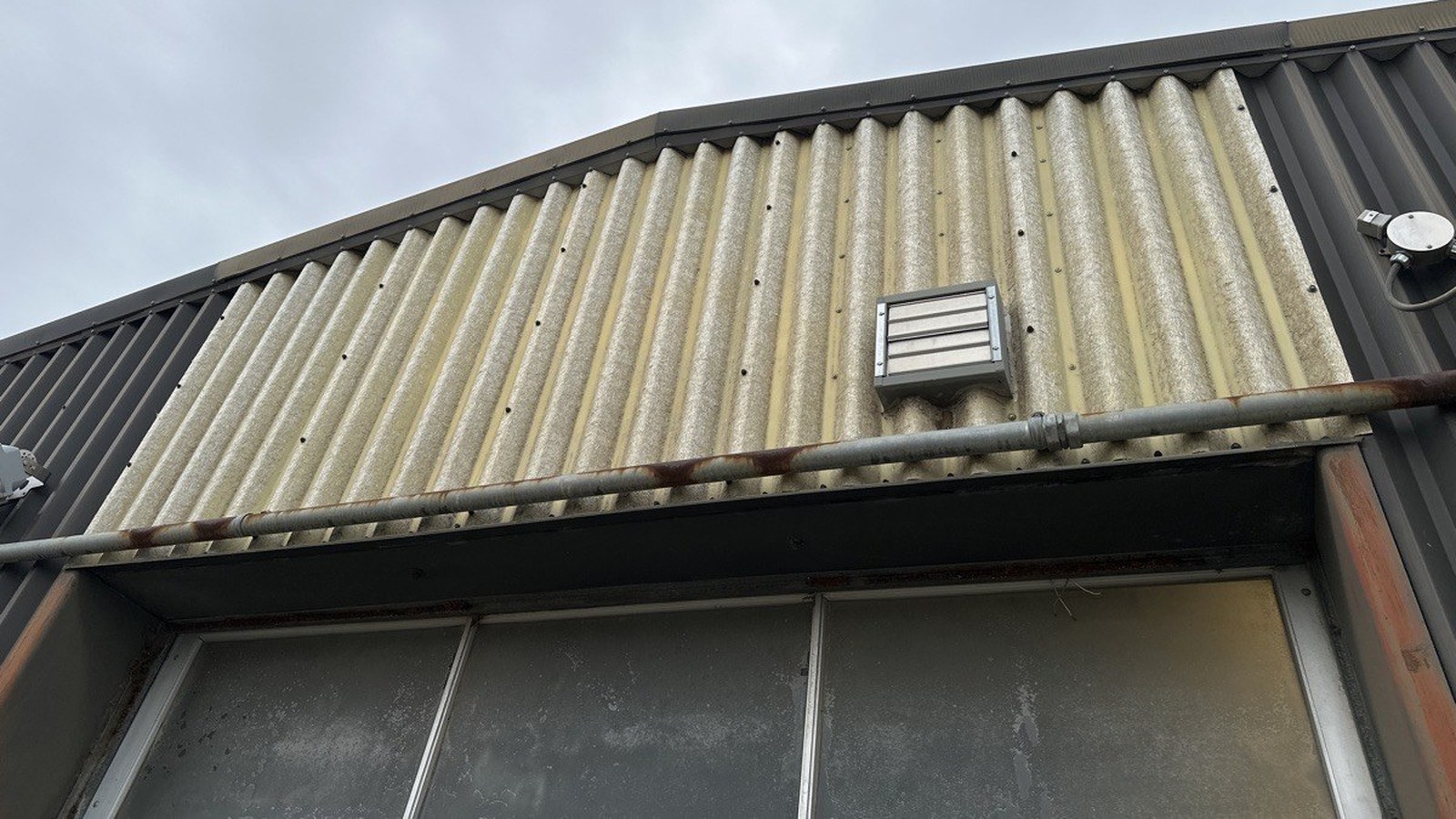
What to look for during diligence (maintainability checklist)
Use this checklist on the walkthrough and in seller document review when buying a commercial building in Alberta. Ask the assessor to photograph and note limits explicitly.
Roof and exterior serviceability
- Permanent access (hatch, stair, ladder) vs. temporary lift only (or a drone survey)
- Guardrails, fall-arrest anchors, or known unsafe edges
- Number and clustering of rooftop units, drains, and penetrations
- Evidence of repeated sealant “patches” at flashings instead of replaceable details
- Snow storage and drainage paths that block equipment in winter
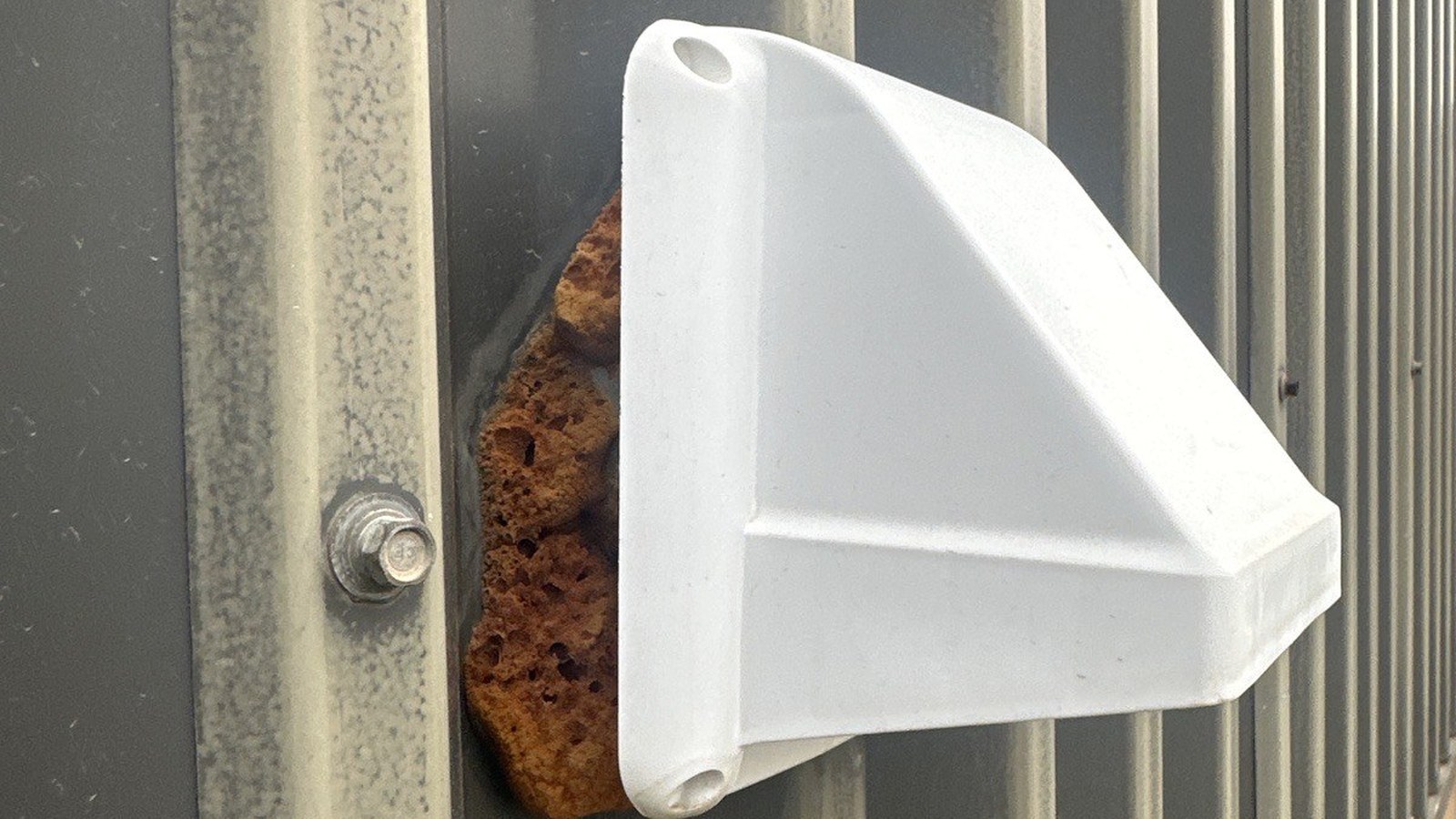
Mechanical and electrical access
- Door width, aisle clearances, and whether major equipment can be removed without opening walls
- Working space at electrical panels and disconnects (visual only unless scoped otherwise)
- Filter, belt, and condensate access for HVAC without dismantling ceilings in tenant suites
- Whether specialty trades need after-hours shutdowns for ordinary service
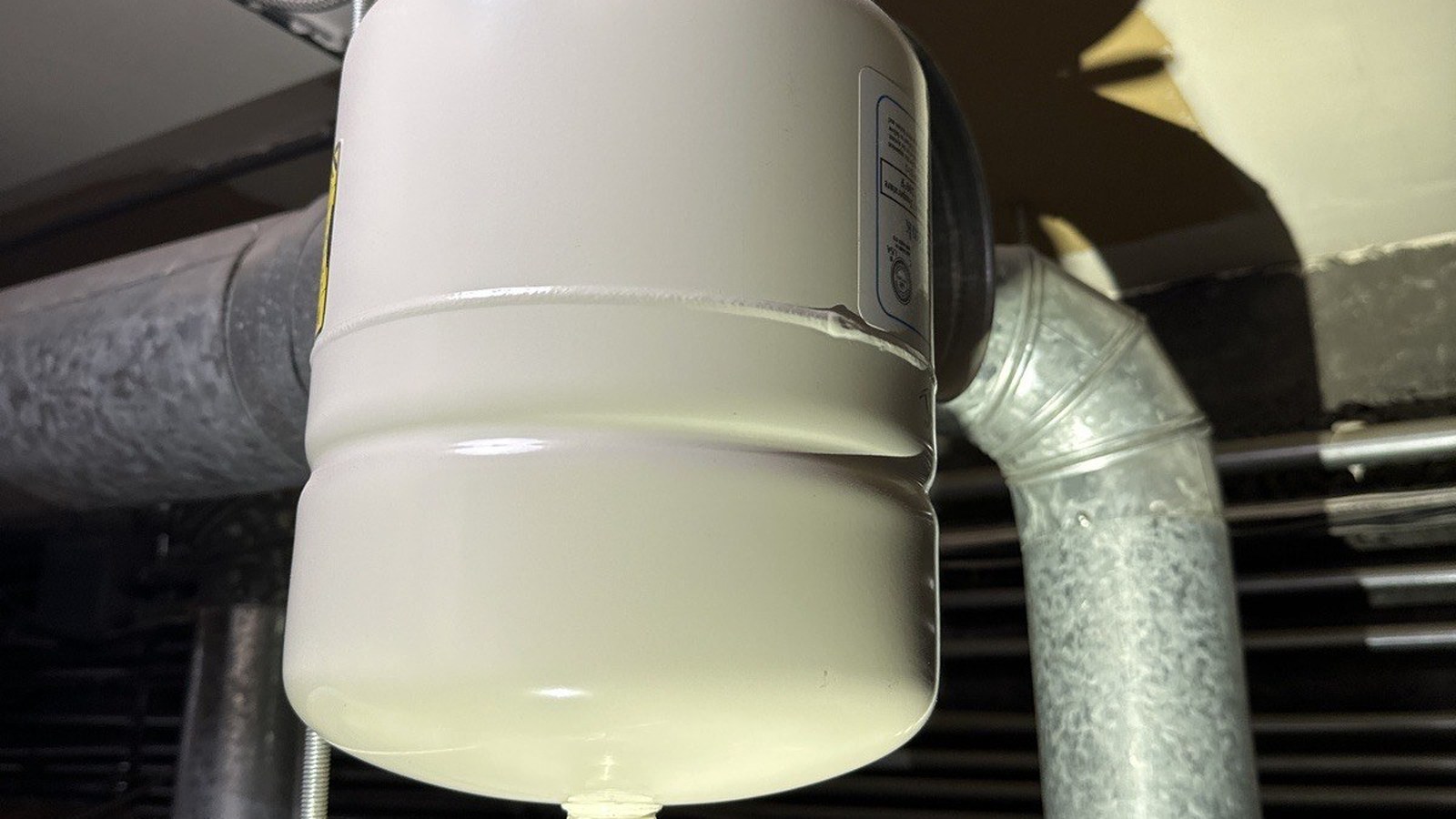
Site and operations
- Loading docks, yards, and parking that conflict with roof drainage or snow clearing
- Tenant operations that permanently block mechanical rooms or roof hatches
- Shared systems across suites that make one tenant’s failure everyone’s problem
Documents that expose maintainability
- Roof warranties and recent roof reports
- HVAC service contracts and work-order history
- As-built drawings showing equipment locations and clearances
- Prior Property Condition Assessment or Building Condition Assessment reports—read access limitations, not only deficiency lists
How a Property Condition Assessment helps—and what it cannot promise
A Property Condition Assessment following ASTM E2018 is a visual, non-destructive baseline. At Brookstone Inspection Services Ltd., that methodology also underpins Building Condition Assessment and Facility Condition Assessment work, with depth set in the written proposal. For a purchase, you typically want transaction-focused reliance language and cost opinions scoped to your conditions period. See BCA vs PCA vs FCA in Alberta and the Property Condition Assessment service.
- Useful maintainability outputs from a visual assessment: - Photos of access routes and clearances
- Explicit “inaccessible / condition unknown” notes
- Observations that equipment replacement may require specialty access
- Planning-level cost opinions for systems that are already failing or near end of life (when scoped)
- Not included unless written separately: - Destructive openings to measure exact duct or conduit paths
- Guaranteed contractor bids or final project costs
- Code-compliance certification for every assembly
- A full capital program for a multi-site portfolio (that is Facility Condition Assessment territory)
Separate jobs: defects lists and capital budgets
- For recurring physical problems (roofs, HVAC, electrical, foundations), use Common Commercial Building Deficiencies Found During Inspections.
- For turning one owned building’s condition into year-by-year spending after you buy, see the www guide on Building Condition Assessment for Alberta capital budgets.
- This article stays on the buyer decision: will this asset fight you every week to keep it alive?
Practical buyer moves before you waive conditions
These steps belong in the conditions period when buying a commercial building in Alberta:
- Put maintainability questions in writing to the seller (access, keys, roof history, mechanical clearances).
- Commission a Property Condition Assessment or Commercial Property Inspection with roof and mechanical-room access, including permission for a drone roof survey, arranged in advance. You can book an inspection as part of that work.
- Ask the report to call out access limits as clearly as deficiencies.
- Price specialty access, after-hours work, and near-term replacements into your offer—not only “deferred maintenance” as a vague lump sum.
- If a specific leak or capacity issue appears, escalate to a targeted investigation rather than guessing (scope limits).
FAQs
Is a hard-to-maintain building always a bad buy?
Not always. Some assets price in the difficulty. The risk is buying without seeing it—then discovering that every filter change needs a lift and a night shift.
Does “new construction” mean easy maintenance?
No. New buildings can still bury equipment above finished ceilings, omit safe roof access, or design service clearances that fail once tenants fit out the space.
Should I order a Facility Condition Assessment to answer this?
Usually not for a single purchase asset. A Property Condition Assessment or Commercial Property Inspection fits the transaction. Use a Facility Condition Assessment when you need consistent capital inputs across facilities you already operate—see Brookstone’s Facility Condition Assessment service.
Will the report tell me exact annual maintenance cost?
No. Visual assessments provide condition and planning-level opinions when scoped. Operating budgets still need your staffing model, contracts, and utilities.
When should I raise roof and mechanical access with the seller?
Before you waive conditions. Put access, keys, roof history, and mechanical clearances in writing, and ask the assessor to photograph and note limits in the report so the findings can still inform the offer.
Sources
- ISES Corporation — Building Designs and Maintainability (operations/maintainability framing; non-Alberta): https://info.isescorp.com/blog/building-designs-and-maintainability-working-together-in-harmony-1
- City of Edmonton — Commercial Inspections: https://www.edmonton.ca/business_economy/commercial-building-inspections
- Brookstone — BCA vs PCA vs FCA in Alberta: https://commercial.brookstoneinspection.com/resources/bca-vs-pca-vs-fca-alberta-which-assessment-do-you-need
- Brookstone — Property Condition Assessment Problem Investigation: Scope Limits: https://commercial.brookstoneinspection.com/resources/property-condition-assessment-problem-investigation-scope-limits
- Brookstone — Common Commercial Building Deficiencies: https://commercial.brookstoneinspection.com/resources/common-commercial-building-deficiencies-found-during-inspections
- Brookstone — Property Condition Assessment service: https://commercial.brookstoneinspection.com/services/property-condition-assessment
- ASTM International — E2018 Standard Guide for Property Condition Assessments (edition as cited in proposals, e.g. E2018-24): https://store.astm.org/e2018-24.html